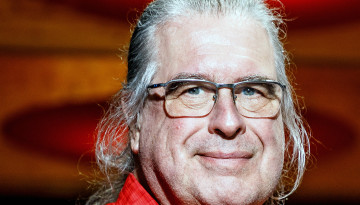
Gilles Brassard, Ph.D. ’79, has received the 2025 A.M. Turing Award from the Association for Computing Machinery, jointly with Charles Bennett, for founding the field of quantum information science.
New Cornell research – co-authored by an undergraduate and two recent alumni – will help exoplanet scientists pinpoint the most likely places to look for life in the universe out of more than 6,000 exoplanets.
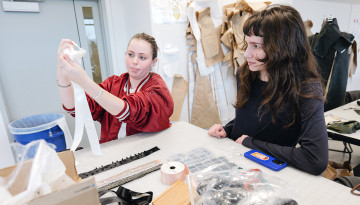
The annual Cornell Fashion Collective Spring Runway Show, on March 21, will feature the work of fashion design majors as well as students from across the university who are looking to broaden their Cornell experience.
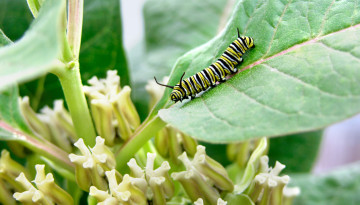
Milkweed has found a new strategy in its epic evolutionary battle with monarch butterflies: structurally upgrading its toxins to outmaneuver monarchs' resistance.
Cornell researchers have found that changes or improvements in workplace policy, culture and outdoor amenities could facilitate more time outdoors to aid well-being for staff.
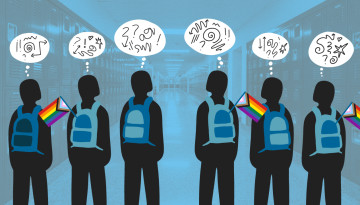
For teens transitioning to high school – an anxious time for many – inclusive environments may benefit not only those identifying as LGBTQ but majority-group peers.
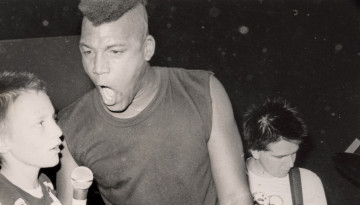
Music professor Judith Peraino explores the outsider spirit of punk, and how it has been documented, in “We’re Having Much More Fun: Punk Archives for the Present from CBGB to Gilman and Beyond.”
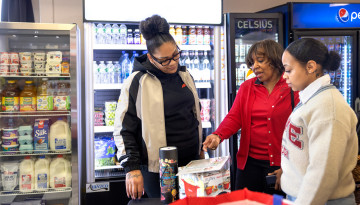
CCE Erie County encourages corner stores in Buffalo’s food deserts to stock fresh fruits, vegetables and other nutritious options and educates residents on how to take care of their health.
Major League Baseball is instituting a major change this season, and it has inspired Cornell researchers to study how stakeholders are integrating the Automated Ball-Strike System, or ABS, into baseball’s sacred gameplay.