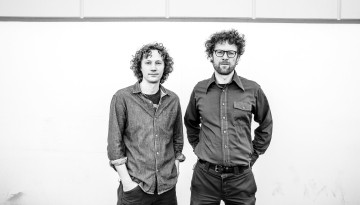
The World According to Sound, a duo who were artists-in-residence on campus in the fall of 2019, will visit Cornell with their new show, “Ways of Knowing.”
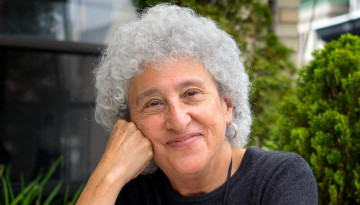
Food policy expert Marion Nestle, a professor emerita at New York University, will give a talk, “Food Politics in the Trump Era: The 2025-2030 Dietary Guidelines for Americans,” on March 19 in Schurman Hall.
Cornell physicists and Google researchers engaged a panel of 12 human experts to test the ability of six LLM systems to understand scientific literature at the level of a specialist.
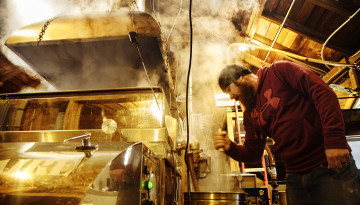
A new low-cost, do-it-yourself method allows maple syrup producers to cool and hold sap before boiling, giving greater flexibility and preventing all-nighters.
State laws that ban insurance prior authorization for buprenorphine, used for opioid use disorder, may not help more patients stay in treatment for the recommended 180 days, Weill Cornell Medicine researchers report.