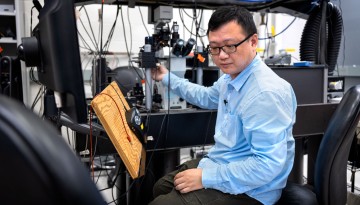
Cornell researchers designed a micro-sized artificial cilial system that could eventually enable low-cost, portable diagnostic devices for testing blood samples, manipulating cells or assisting in microfabrication processes.
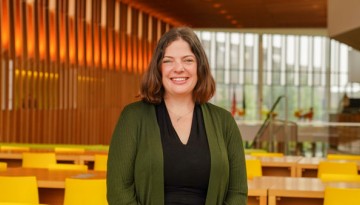
With the new Cornell Academic Materials Program, the university seeks to continue its work toward a more equitable campus that supports a positive and transformative student experience.
Scientists at the College of Veterinary Medicine are one step closer to understanding the genetic predispositions behind congenital idiopathic megaesophagus.
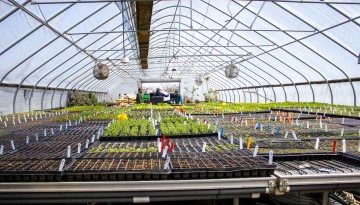
Students in a new moral psychology class spent the semester working with local non-profits to tackle issues from migrant family justice to food insecurity to sustainable agriculture.
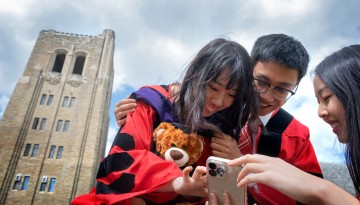
After two years of disruption from the COVID-19 pandemic, the 154th graduating class will enjoy a Commencement weekend with fewer restrictions, although some changes remain.
A new exhibition displays selections from Cornell’s plaster cast collection of Greco-Roman sculptures alongside – and sometimes within – contemporary artists’ responses to cast culture and classical art.
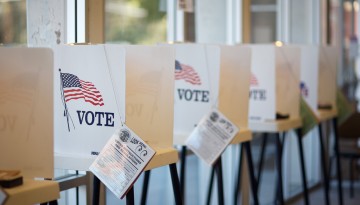
A new and uniquely constructed survey of American voters finds glimmers of hope that Democrats and Republicans can agree on steps needed to shore up an increasingly shaky democracy.
Mitigation strategies must target carbon dioxide alongside other largely neglected climate pollutants in order to stay below catastrophic climate tipping points.