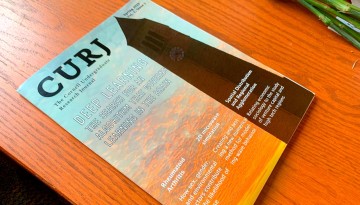
The Cornell Undergraduate Research Journal, a biannual digital and print publication, received 20 submissions for its inaugural issue. From those, the editorial board selected nine articles featuring a wide range of topics.
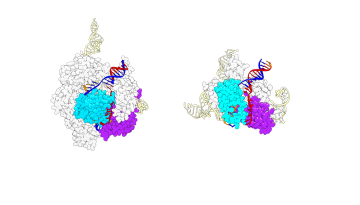
Researchers at Weill Cornell Medicine and Memorial Sloan Kettering Cancer Center have identified a previously unrecognized form of hormone therapy-resistant prostate cancer, as well as a set of molecules that drive its growth.
In Medellin, Colombia, low-income residents who lived in close proximity to new public transit stations had increased rates of mosquito-transmitted dengue fever, according to a new study.
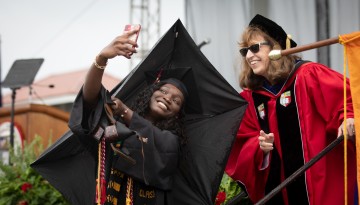
The Class of 2022 will make contributions to the world that Ezra Cornell could never have imagined, President Martha E. Pollack said at Commencement, held May 28 at Schoellkopf Field.
A dozen graduating ROTC seniors were among 19 members of Cornell's Tri-Service Brigade who earned commissions in the Army, Navy, Air Force and Marines during a May 27 ceremony in Alice Statler Auditorium.
When a deadly global pandemic broke out, compliance — the act of following rules — became critical. Yet many people didn’t adhere to the rules. Professor John, from the Cornell Law School, explains how getting people to work together and follow rules takes careful thought and planning, and that compliance inside businesses and organizations is essential to accomplishing just about anything.
When women and men are faced with positive gendered stereotypes, women experience more frustration and less motivation to comply with the expectation than men, according to new research.
Ray Jayawardhana, the Harold Tanner Dean of the College of Arts and Sciences, has been appointed to a second five-year term, beginning July 1, 2023, and named the Hans A. Bethe Professor, an appointment that begins July 1, 2022.