Police bills of rights have been a legislative priority for police unions since the 1980s and, according to the National Urban League, they have been adopted by 19 states.
Solving problems like climate change could require dismantling rigid academic boundaries, so that researchers of various backgrounds may collaborate through an “undisciplinary” approach.
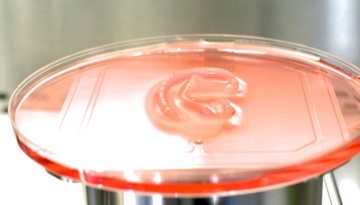
In a first-of-its-kind clinical trial, a human has received a 3D-bioprinted ear implant grown from the patient’s own living cells – thanks to a technology platform developed by a Cornellian-founded startup company.
Sloan Program in Health Administration students will be working with five executives-in-residence. Sloan Program Associate Director Julie Carmalt says the students will have a range of mentoring and networking opportunities while learning from prominent leaders in the health care field.
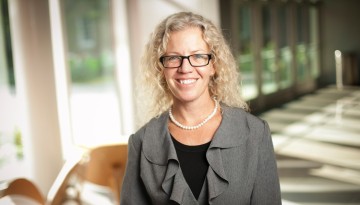
Christine D. Lovely, associate vice chancellor and chief human resources officer at the University of California, Davis, will succeed Mary Opperman as Cornell's next vice president and chief human resources officer, effective Aug. 30.
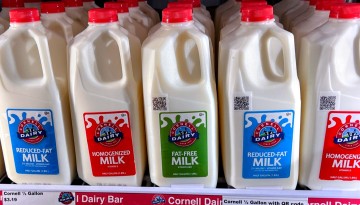
Milk carton “use-by” dates soon may be a quaint relic. A new Cornell study finds that consumers like QR codes, better depicting how long milk is drinkable – creating less food waste.
More than 99% of 474 veterinarians surveyed said they’d encountered useless or nonbeneficial veterinary care in their careers, according to a new Cornell-led study that documents the prevalence of futile care for the first time.
Each spring the Merrill scholars are asked to recognize the high school teacher who impacted their early education and the Cornell faculty or staff member who contributed most significantly to their college experience.