A team from Cornell Bowers CIS has developed AutoPhoto, a robotic system that can roam an interior space and capture aesthetically pleasing photographs through a machine learning process.
Six Arts and Sciences faculty members focusing on mathematics and theoretical physics were announced as the 2022 Simons Fellows. The program enables recipients to focus on research by extending academic leaves from one term to a full year.
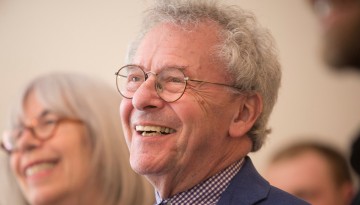
A new scholarship for first-generation undergraduate students has been established in the name of beloved government professor Isaac Kramnick, and will support students beginning this fall.
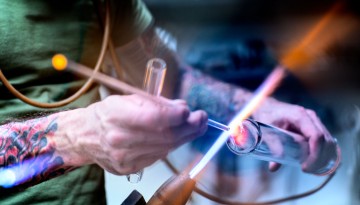
Karl Termini designs, creates and repairs unique scientific glassware, saving departments time and money and ensuring researchers get exactly the equipment they need.
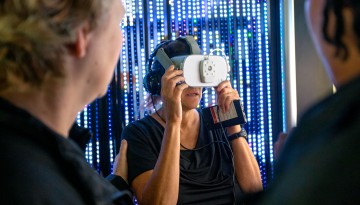
Powering augmented and virtual reality technologies to tackle real-world problems is the focus of a two-year, $1.8 million grant from Meta and Spark AR to Cornell Bowers CIS and Cornell Tech’s XR Collaboratory.
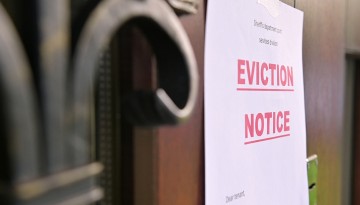
Scholars have overlooked tenant organizations as a crucial source of political power in the most precarious communities, according to new research co-authored by Jamila Michener.
The Cornell United Way President’s Leadership Association recognized 168 members of the Cornell community who have contributed at least $1,000 to the current United Way, constituting nearly 76% of the campaign’s current total.
Sianne Ngai, Andrew W. Mellon Professor of English at the University of Chicago, will explore this question wrong ways of thinking in this Society for the Humanities event March 9.
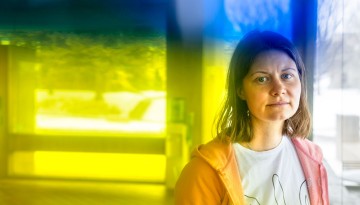
Ukrainian students and researchers share thoughts about their loved ones’ safety and their country’s future as they absorb the ongoing news of Russia’s invasion of Ukraine.