A new Cornell study sheds light on a controversial debate in epigenetics – the set of molecular changes occurring on top of the genome that regulate how genes are turned on and off, but without changing a cell’s DNA sequence.
The lecture series will link the economic relationship between the northern and southern United States, following 'plantation goods,' in three talks by Seth Rockman, associate professor of history at Brown University.
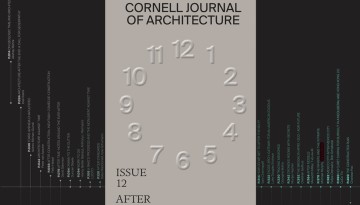
After follows a pandemic-related delay but continues the tradition of showing boundary-pushing work from faculty, students, alumni, and visitors in the Department of Architecture.
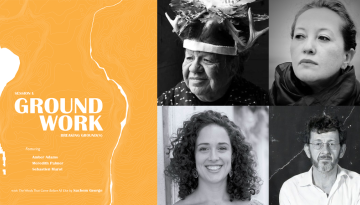
Marking the Department of Architecture's 150th academic year, the first session of Breaking Ground(s), titled "GROUNDWORK," invites three leading voices who ask: How can we bring radically divergent histories of land and place into conversation?
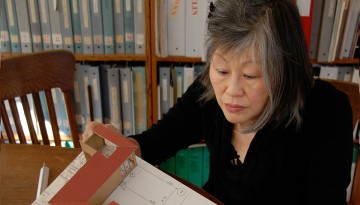
Generously supported by alumna Mui Ho (B.Arch.'66), the new AAP Alumni Archive is built on her belief in the importance of community connections across time.
Lindsey Ruff '19 was recognized for her instrumental work on a clinic case involving the free speech rights of death penalty lawyers in South Carolina that is now pending before the U.S. Court of Appeals for the Tenth Circuit.