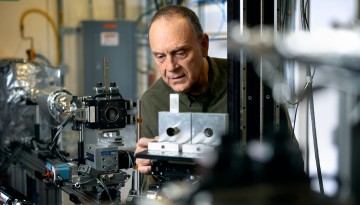
Cornell has been awarded an $8.9 million cooperative agreement from the Air Force Research Laboratory for a regional research hub to spark collaborations in academia, government and industry.
From cell-sized robots to the manipulation of human genes, Arts Unplugged: Science of the Very, Very Small on March 9 will explore nanoscale and quantum innovations shaping our future.
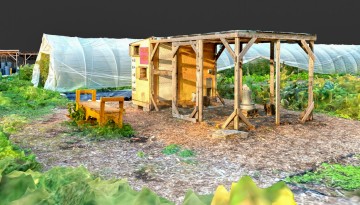
Cornell researchers have created the most advanced virtual reality urban farm tour ever made, an online learning experience that promises to transport urban and rural farmers to New York City’s Red Hook Farms without ever leaving home.
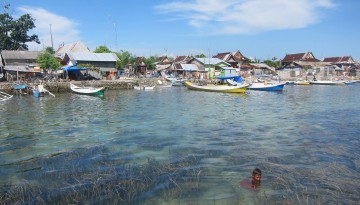
In a global cautionary tale, the UN’s IPCC has a new climate change report written by Cornell’s Rachel Bezner Kerr and 270 others, to pull our planet from dire environmental ruin.
An award-winning Argentine author, an agro-sustainability innovator, a renowned archaeologist and a leading sociolinguist are set to visit campus this spring as Andrew Dickson White Professors-at-Large.
The Provost’s Office of Faculty Development and Diversity is accepting nominations for the annual Faculty Award for Excellence in Research, Teaching and Service Through Diversity. The award, to be given to two faculty members, comes with a $15,000 prize.