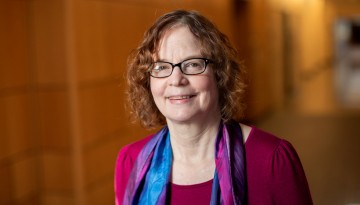
Professor Ifeoma Ajunwa, who studies the impact of AI on practices such as fair hiring, gave research-based testimony to a Congressional committee on Feb. 5 in Washington, D.C.
New Cornell research shows that traditional physics labs can have a negative impact on students, while nontraditional, inquiry-based labs can improve student performance and engagement.
Nearly 70 professionals from around the world have become Cornell Climate Online Fellows, as they take action locally to battle atmospheric greenhouse gas and ask others to join in.
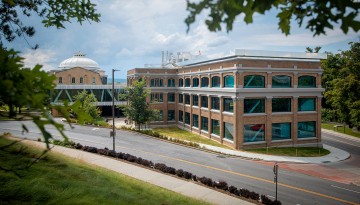
Cornell’s Mui Ho Fine Arts Library in Rand Hall earned the U.S. Green Building Council’s Leadership in Energy and Environmental Design Gold certification in late January.
The university announced that results were negative for a student tested for novel coronavirus. At this time, no members of the Cornell community are undergoing testing for the 2019 Novel Coronavirus.
Kate Bronfenbrenner ’76, Ph.D. ’93, director of Labor Education Research and an ILR School senior lecturer, has won this year’s George D. Levy Faculty Award, recognizing community-engaged learning projects.
Events at Cornell this week include music and dance documentaries, Japanese drumming in Bailey Hall, a celebration of Beethoven and a black fashion exhibit.
Faculty and students from Cornell departments teaching design studios and design thinking will exchange ideas to foster connections between fields and strengthen pedagogy at the inaugural Design@Cornell Roundtable Feb. 14.
Aspiring film directors must outperform peers with similar experience to build reputations and advance their careers, according to a study co-authored by Heeyon Kim, assistant professor of strategy in the School of Hotel Administration.