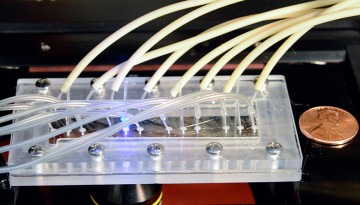
A new study has uncovered key details for how the Salmonella bacteria that causes typhoid fever identifies a host’s immune cells and delivers toxins that disrupt the immune system and allow the pathogen to spread.
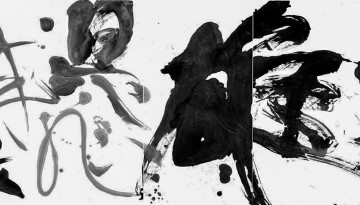
Events at Cornell include a cat video festival; performances inspired by Taiwanese artist Tong Yang-Tze; a concert and master classes with the Chamber Society of Lincoln Center; and a celebration of Robert Moog.
Cornell researchers have found a new species of soil bacteria – which they named after their late colleague, who first discovered it – that is particularly adept at breaking down organic matter.
A Cornell-led team took an interdisciplinary approach to analyzing the behavior of breast tumor cells by employing a statistical modeling technique more commonly used in physics and economics.
The International Agricultural and Rural Development major, in CALS, is celebrating 20 years of a partnership with Sathguru Management Consultants, the Cornell Sathguru Foundation for Development, and universities in India.
Robert F. Smith ’85, founder, chairman and CEO of Vista Equity Partners, will be honored with Cornell Engineering’s 2020 Distinguished Alumni Award. It will be presented at a ceremony April 24 in Statler Hall Auditorium.
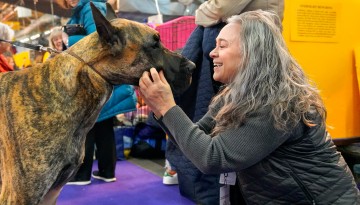
The world’s elite dogs vied for titles at the 144th Westminster Kennel Club Dog Show in New York City, and for the second year in a row, Cornell veterinarians were on call to care for the competitors.
On topics ranging from oceanic disease to restraining invasive species from distant seas, Cornell faculty joined 10,000 scientists to discuss “Envisioning Tomorrow’s Earth” at the AAAS meeting in Seattle.