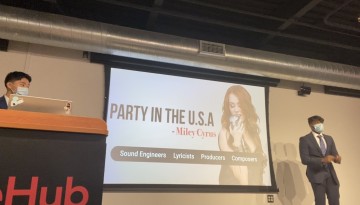
Four teams of undergraduate students were named winners of the Big Ideas Competition at Cornell, with ideas that help musicians connect, detect heart problems, train unemployed young adults and help with pollution issues in developing countries.
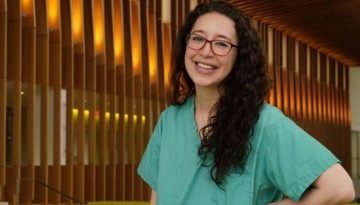
The Cornell University College of Veterinary Medicine has recently welcomed many new faculty members to its academic departments, each one bringing a unique set of skills and experience that enriches the college.
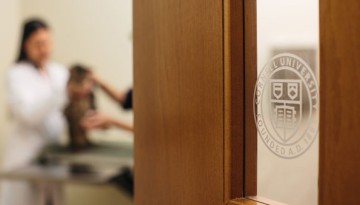
The hospital has seen tremendous growth since opening in 2011. At the time, it had nine doctors among 36 staff. Today, it has 25 doctors among 125 staff, and in the last fiscal year alone, the hospital logged over 25,000 patient visits.
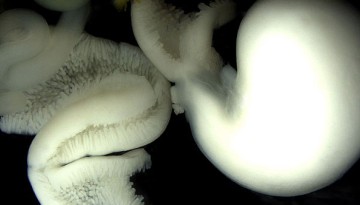
Research from the Kurpios lab reveals the complex signaling that directs formation of intestinal lacteals, the lymphatic channels required for fat absorption in vertebrates.
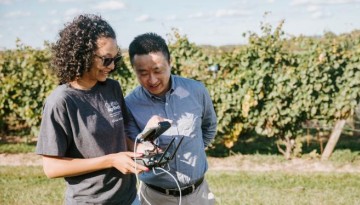
Cornell AgriTech’s Summer Research Scholars Program is increasing the number of underrepresented student participants and boosting expertise in digital agricultural technology, thanks to a grant of nearly $500,000 from the National Institute of Food and Agriculture (NIFA).
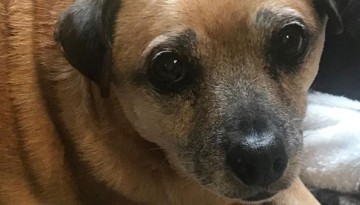
Milo’s skin problems were just the start of his medical issues. Months of treatment and a loving home eventually inspired a children’s book celebrating his resilience.
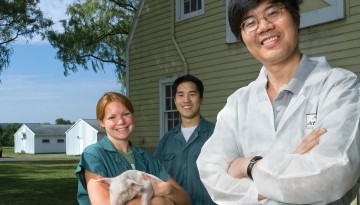
Animal Science Professor Xingen Lei has been named a Fellow of the National Academy of Inventors, in recognition of his groundbreaking work on livestock phosphorus nutrition that improves global animal agriculture, preserves non-renewable phosphorus, and protects the environment.
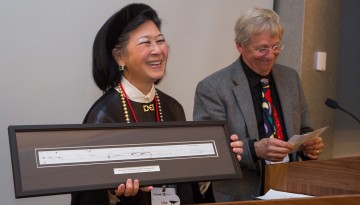
A new $1.5 million gift from philanthropist K. Lisa Yang ’74 has established the Christopher W. Clark Postdoctoral Fellowship in Conservation Bioacoustics in honor of Clark, the retired director of the bioacoustics program at the Cornell Lab of Ornithology.
“Pop Goes the Vet with Dr. Joya” will feature the work of Joya Griffin, D.V.M. ’06, whose practice specializes in animal dermatology. The show premieres Jan. 1 and will stream on Disney+.