Forty-four graduate students have been selected as new National Science Foundation Graduate Research Fellowship Program (NSF GRFP) fellows, joining Cornell’s community of nearly 200 NSF GRFP fellows currently on campus.
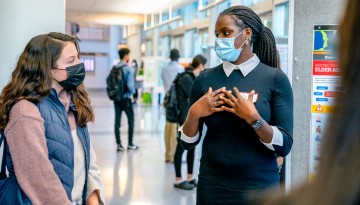
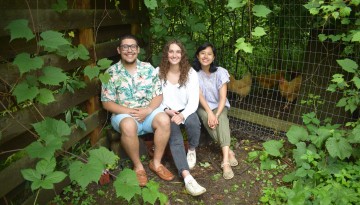
The 2021 Global and Public Health Experiential Learning Symposium featured projects aimed at improving access to public health everywhere from Tompkins County to Tanzania.
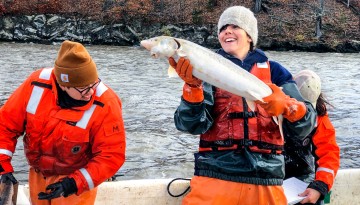
Researchers conducting a population estimate of shortnose sturgeon in the Hudson River caught one on Nov. 19 that had been tagged 26 years ago, during the last such count.
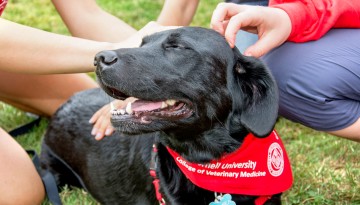
A $30 million gift from Margaret and Richard Riney has endowed and named the Cornell Margaret and Richard Riney Canine Health Center at the College of Veterinary Medicine to improve the health and well-being of dogs.
The Laidlaw scholars at Cornell are diving into a world of research. Over the first summer of the program, 24 Cornellians selected for the prestigious international program completed research projects on topics ranging from migration and big data to entomology, engineering communications and animal science.
Weill Cornell Medicine has received a $1.27 million grant from the United States Department of Defense to develop treatment for a rare but devastating eye condition largely affecting military personnel who suffer traumatic eye injuries in combat.
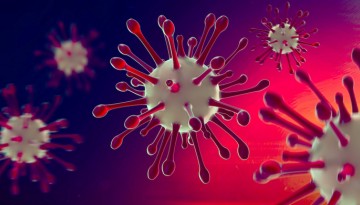
A computational tool will greatly benefit our understanding of the SARS-COV-2 virus and the development of drugs that block sites where the virus binds with human proteins.
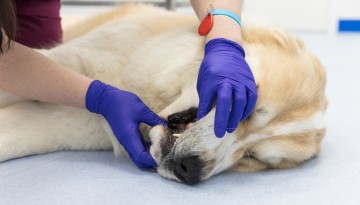
Recent Cornell research compared the profiles of a nonlethal canine tumor and the rare, devastating human oral tumor it resembles, laying the groundwork for potential translational medicine down the road.
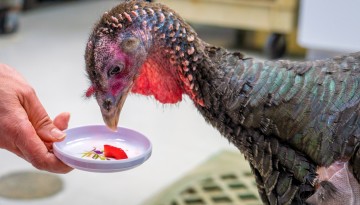
While Thanksgiving may be a perilous time for turkeys, one wild turkey has a lot to be grateful for as she recovers at Cornell’s Janet L. Swanson Wildlife Hospital from a dog attack.