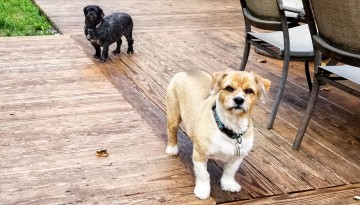
The neurology service at the Cornell University Hospital for Animals helped Tanner and Gidgie, dogs from the same family that both suffered from painful spinal issues.
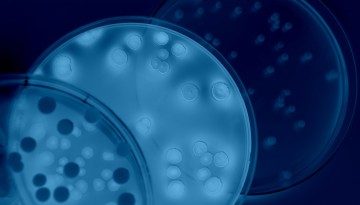
A new study identifies bacterial genes that may make it easier for scientists to engineer a bacteria that takes in renewable electricity and uses the energy to make biofuels.
Seed grants and symposia based on themes from the Office of Academic Integration have bridged researchers from the Ithaca and New York campuses and have brought a high return on investment to Cornell.
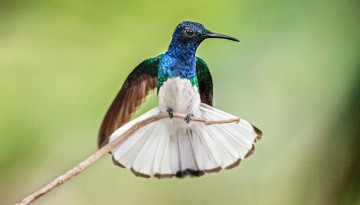
New research on the glittering White-necked Jacobin hummingbird reveals nearly 20% of the species’ adult females have male-like plumage. Why? To dodge bullies and get better access to food, according to new Cornell research.
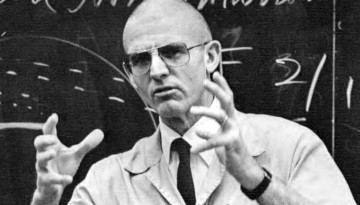
Dr. Alexander de Lahunta, D.V.M. ’58, Ph.D. ’63, emeritus James Law professor of anatomy, considered the founder of veterinary neurology, died Aug. 17 at his home in Rye, New Hampshire.
Cornell assistant professors researching artificial intelligence, sustainable energy, digitization in manufacturing and chemistry have recently received early-career awards from the National Science Foundation and the Department of Energy.
The leadership and dynamic accomplishments of Sheila Allen ’76, D.V.M. ’81, have both shaped the veterinary profession and earned her the 2021 Daniel Elmer Salmon Award for Distinguished Alumni Service from the Cornell College of Veterinary Medicine.
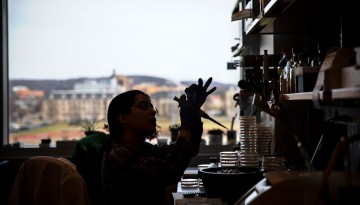
Doctoral candidate Karla García-Martínez and Professor of Immunology Cindy Leifer were selected as recipients of the 2021 Howard Hughes Medical Institute (HHMI) Gilliam Graduate Fellowships for Advanced Study.