The Office of Engagement Initiatives is accepting applications for grants to fund faculty, staff and students who are launching, advancing or participating in community-engaged learning at Cornell.
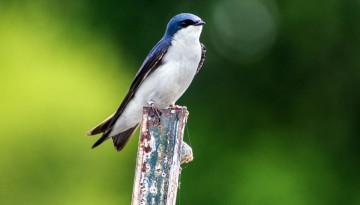
Cornell researchers have discovered a negative relationship between the temperature during tree swallows’ development and their hormonal response to stressors as adults. Specifically, they found that colder temperatures during the development stage had an effect on swallows later in life.
An Immunoprofiling Workshop – sponsored by the Cornell Center for Immunology, Dec. 13 in Stocking Hall – will feature technology experts who will provide case studies and best practices on various core technologies.
Researchers from the University of Hyderabad in India and the College of Veterinary Medicine have identified a compound that could be part of a strategy to improve the effectiveness of the dengue vaccine.
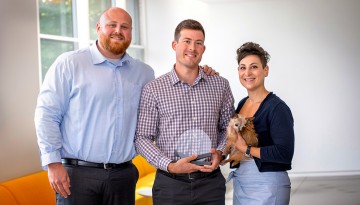
Dr. Jared Baum from the Cornell University Hospital for Animals took a recent late-night road trip east to help save the life of Mabel, a 16-year-old Chihuahua, whose owners run a shelter for aging dogs.
Five Cornell faculty members have been elected fellows of the American Association for the Advancement of Science, the world’s largest general scientific society.