Beyond connecting pet parents with Cornell alumni veterinarians, the tool also allows CVM alumni to opt-in to a searchable database for CVM students looking to find mentors, opportunities for externships, or networking across the country.
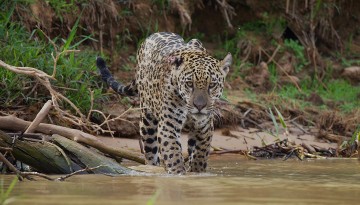
The new four-year program — one of only three wildlife-focused veterinary residencies in North America to be approved by the American College of Zoological Medicine (ACZM) — responds to a growing need for veterinarians trained in free-ranging wildlife health, a discipline that bridges individual patient care and population-level management.
Cornell has won three of 15 major grants from the Bezos Earth Fund, awarded to leverage artificial intelligence in the fight against climate change and environmental challenges.
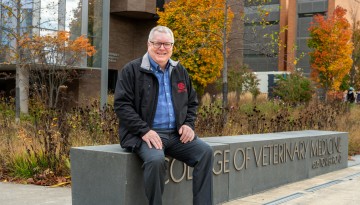
Dr. Lorin D. Warnick, Ph.D. ’94, the Austin O. Hooey Dean of Veterinary Medicine, has announced he will step down following the completion of his second term on June 30, 2026. Provost Kavita Bala has started a search for Warnick’s successor.
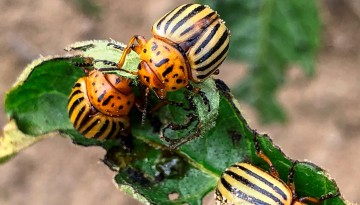
The first sprayable insecticide made of RNA can target and kill ravenous Colorado potato beetles while sparing most beneficial insects, making it a promising environmentally friendly option.
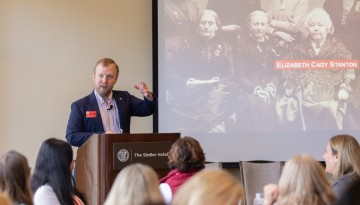
Cornell historian Corey Earle shared stories of remarkable women throughout Cornell’s history during an Oct. 25 brunch as part of the Trustee Council Annual Meeting.
Five professors from across campus will advocate that their discipline is the most important to save for the future in the annual Apocalypse Debate, sponsored by Logos, the undergraduate philosophy journal and club.
A $1.8 million grant from the Bezos Earth Fund will help the Cornell Lab of Ornithology develop acoustic sensors and artificial intelligence analytics to identify real-time threats to forests from illegal activities and provide insights into ecosystem health.