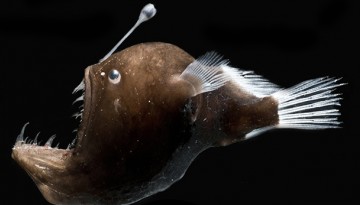
For the first time, scientists have sequenced and analyzed the genomes of bacteria that live in anglerfish bulbs from fish specimens collected in the Gulf of Mexico.
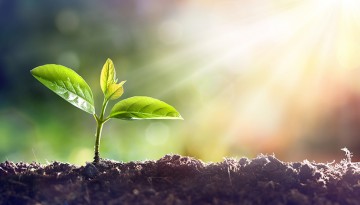
A new study suggests photorespiration wastes little energy and enhances nitrate assimilation, the process that converts nitrate absorbed from the soil into protein.
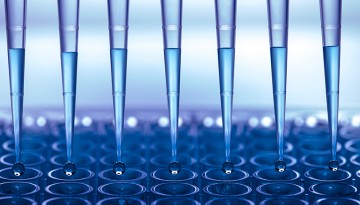
A group led by chemical and biomolecular engineering professor Matthew DeLisa has devised a cell-free method for producing glycosylated proteins, which could have impacts in personalized medicine.
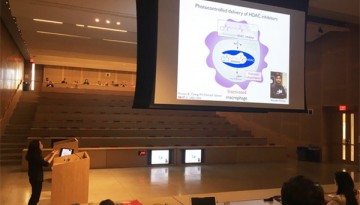
Cornell experts from Ithaca and New York City gathered June 26-27 at the College of Veterinary Medicine for the Immunology in Health and Disease Symposium.
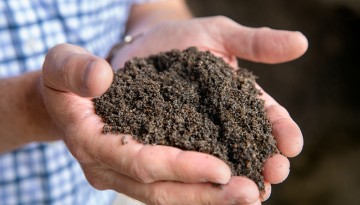
Cornell’s College of Veterinary Medicine Teaching Dairy Barn has installed a system that separates manure from sand bedding that is healthier for cows and creates muck perfect for making electricity.
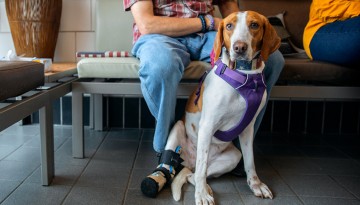
With care from new owners and treatment from veterinarians at the Cornell University Hospital for Animals, a stray American foxhound gets a prosthetic limb after losing foot in a coyote trap.