For decades, researchers searched for a single “thermosensor”—a biological thermometer buried deep in the plant’s molecular machinery. But a new theory, led by Avilash Singh Yadav, postdoctoral associate at the Weill Institute for Cell and Molecular Biology and the Cornell College of Agriculture and Life Sciences, is flipping that idea on its head.
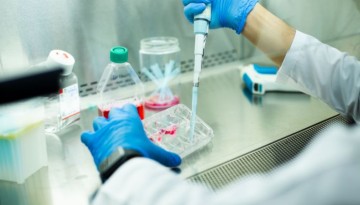
Cornell researchers have identified an antibiotic, rifampin, that is 99.9% effective against Salmonella Typhi, the bacterium that causes typhoid fever.
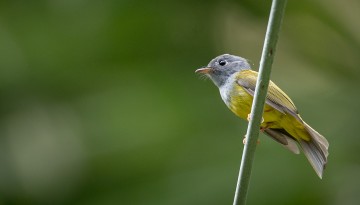
New research finds that territorial behavior and diet help explain why some birds sing more often at dawn, challenging traditional theories about dawn choruses.
When cats get sick with H5N1 avian influenza, they get severely ill, with up to 70% of affected cats dying, but little is known about how the virus spreads in cats.
Cornell researchers have discovered a new cell signaling pathway involved in ovulation, a potential target for future research on infertility, contraception and ovarian disease.
The inaugural Award for the Advancement of Science Communication as a Professional Field from the International Network on Public Communication of Science & Technology recognizes outstanding contributions to the development of science communication as a field.
Cornell geochemists and synthetic biologists have collaborated to improve the efficiency of microbes that can dissolve rocks to extract critical minerals while speeding carbon sequestration from air.
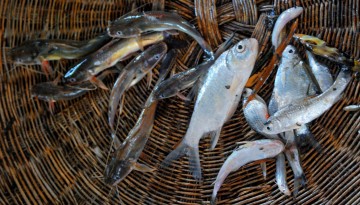
To satisfy the seafood needs of billions of people, offering them access to a more biodiverse array of fish creates opportunities to mix-and-match species to obtain better nutrition from smaller portions of fish.