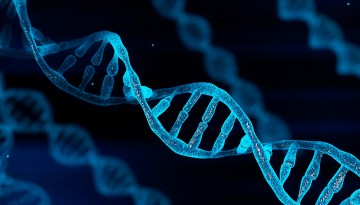
A study from Cornell researchers could enable a quantum leap forward in identifying and deciphering cancer-driving genetic mutations, the first step in developing effective therapeutics.
Cornell researchers have confirmed that a previously identified biomarker for detecting malignant testicular germ cell tumors – the most common solid cancers in young men – has the potential to improve patient outcomes through early detection.
The Cornell Board of Trustees voted to appoint Michael I. Kotlikoff, who has served as interim president since July 2024, Cornell’s 15th president, effective immediately.
The second Symposium on Artificial Intelligence in Veterinary Medicine (SAVY) promises to ignite new collaborations and innovations in this burgeoning field.
Dr. Craig Stephen and Dr. Marcela Uhart, leading experts in wildlife health and the One Health paradigm, have been selected as the inaugural Cornell K. Lisa Yang Center for Wildlife Health Distinguished Speakers.
Cornell bee experts are analyzing samples of bees and related material to help identify the cause of unprecedented managed honeybee losses this winter.
An FDA-approved drug used in humans has been found to inhibit the growth of oral squamous cell carcinomas in dogs - with one dog’s tumor nearly disappearing in a matter of weeks.
More than five years after a landmark study in the journal Science showed that North American bird populations declined by nearly 30% since 1970, a new report finds that the concerning trend is continuing apace.