A specific toxin-producing gut bacteria may be responsible for both triggering the onset of multiple sclerosis (MS) and ongoing disease activity, according to a new study led by a team of researchers at Weill Cornell Medicine and NewYork-Presbyterian.
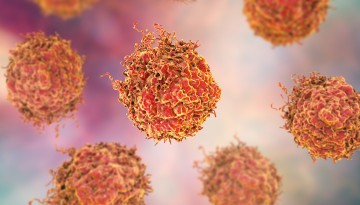
Ekta Khurana, associate professor of physiology and biophysics at Weill Cornell Medicine, has received a three-year, $1.2 million grant from the United States Department of Defense to investigate how prostate cancer cells evolve to become resistant to hormone-blocking therapy.
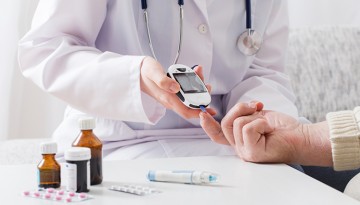
Multiple types of beta cells produce insulin in the pancreas, helping to balance blood sugar levels. Losing a particularly productive type of beta cell may contribute to the development of diabetes, according to a new study by Weill Cornell Medicine investigators.
Two lectures in April will explore sustainability research partnerships. Cornell Atkinson will host events on April 12 and April 25 to welcome EDF scientists and faculty partners to model successes and share challenges.
The documentary, which will debut nationwide on PBS March 21, illustrates the full scope of his career set against the backdrop of his final years of service presiding over the nation’s response to the COVID-19 pandemic.
Graduating medical students in the Weill Cornell Medical College Class of 2023 learned on national Match Day where they will be doing their internship and residency training – setting the stage for the next several years of their medical careers and lives.
Students from Cornell and other universities are invited to enroll now for Cornell’s Summer Session, which will feature on-campus, online and off-campus courses. Students can earn up to 15 credits taking regular Cornell courses.
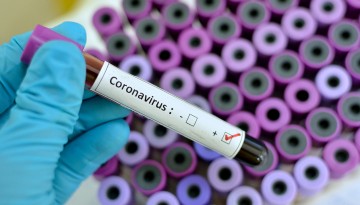
The activity of a gene called CIART is a key factor in the establishment of the viral infection that causes COVID-19, according to a study from researchers at Weill Cornell Medicine and New York University Grossman School of Medicine.
Students in Ithaca and New York City showed off their computer programming skills Saturday, March 4, solving problems with the theme of women’s achievements in computing, in the first of two high school computing contests…