The researchers used a machine-learning algorithm to spot symptom patterns in the health records of nearly 35,000 U.S. patients who tested positive for SARS-CoV-2 infection and later developed lingering long-COVID-type symptoms.
The funding will support preliminary disease-related research, in the latest in a series of efforts to create new opportunities for interdisciplinary research.
An artificial intelligence algorithm can determine non-invasively, with about 70% accuracy, if an in vitro fertilized embryo has a normal or abnormal number of chromosomes, according to a new study from researchers at Weill Cornell Medicine.
The Tree of Life Center – with 174 units, community and retail space, and a full-service health center and dental clinic – opened on Dec. 9 in Jamaica, Queens.
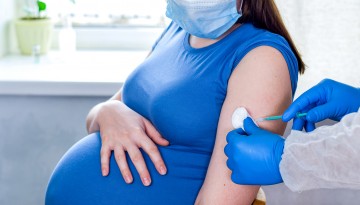
Those already pregnant at the beginning of the pandemic had a 50% lower exposure to SARS-CoV-2 compared with those who became pregnant after the pandemic began and the general population, Weill Cornell researchers and colleagues found.
The first recorded proof of a bird not seen for 140 years, a gut bacteria that could regulate cholesterol and a senior who risked his own life to rescue a man from an oncoming subway train were among the most-read Cornell Chronicle stories of 2022.
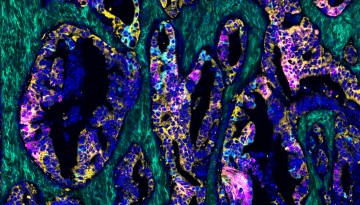
An experimental therapy showed promise as treatment for an aggressively spreading type of colorectal cancer in preclinical models, according to a new study by Weill Cornell Medicine investigators.
A Cornell-based database of “runaway ads” placed by enslavers in 18th- and 19th-century U.S. newspapers was the starting point for a new song cycle entitled “Songs in Flight” that will premiere Jan. 12 at the Metropolitan Museum of Art in New York City.
Weill Cornell Medicine has been awarded a five-year, $7.8 million grant from the National Heart, Lung, and Blood Institute to study whether the antibiotic doxycycline may slow the progression of emphysema in people living with well-controlled HIV.