Pregnant women who had a previous COVID-19 infection and received full vaccination and a booster have the strongest immune protection from the disease – and pass that protection along to their unborn babies, according to a new study.
Many medical studies record a patient’s race using only the broad categories from the U.S. Census, which may conceal racial health disparities, a new Cornell-led study reports.
A non-opioid designer molecule for treating chronic neuropathic pain has had promising results in a preclinical study conducted by researchers at Weill Cornell Medicine and the Burke Neurological Institute.
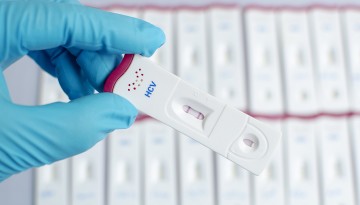
Only one in five Medicaid enrollees diagnosed with hepatitis C virus started treatment, according to a retrospective study led by researchers at Weill Cornell Medicine and Cornell University’s Ithaca campus.
Board Governance: Navigating Emerging Technologies and More in a Complex World, a new Cornell Tech immersion program, is set to prepare corporate board members for fast-paced evolutions driving the future of commerce.
During the COVID-19 pandemic, many U.S. hospitals had overcapacity intensive care units while other area hospitals had open ICU beds available, a phenomenon known as “load imbalance.”
The initiative is designed to improve standards of online privacy, safety and security, and to establish New York City as the epicenter of cybersecurity research.
Using an innovative method for measuring doctor turnover, Weill Cornell Medicine researchers determined that between 2010 and 2018, the annual rate at which physicians left their practices increased by 43%, from 5.3% to 7.6% a year.
Using a deep learning computer model and dashcam images from New York City rideshare drivers, Cornell Tech researchers were able to see which neighborhoods had the highest numbers of New York Police Department marked vehicles.