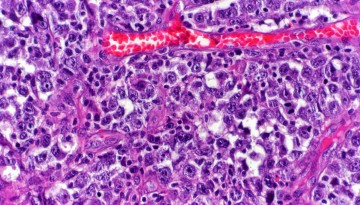
Weill Cornell Medicine and Columbia University have been awarded a five-year, $9.8 million grant from the National Cancer Institute to help combat cancer disparities fueled by persistent poverty.
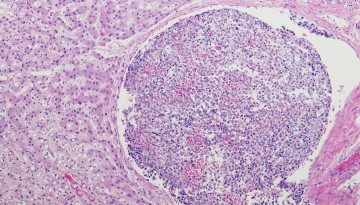
An atlas that catalogues gene activity and the levels of small molecules called metabolites in tumor samples offers a new way of identifying the deep mechanisms of cancer.
Faculty in Cornell’s Action Research Collaborative (ARC) joined New York City and State policymakers and community members for ARC’s second symposium on June 22. The annual symposium is an opportunity for researchers, policymakers and community stakeholders to share their knowledge and advance equity in areas like nutrition and health, housing and social services, and youth development.
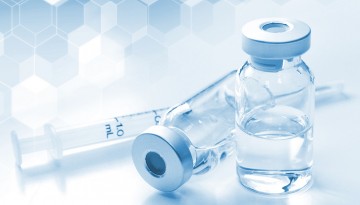
A new vaccine distribution model expands the concept of vaccine coverage to include vaccinated person-days, which prioritize both the number of people vaccinated and the speed of getting shots into arms.
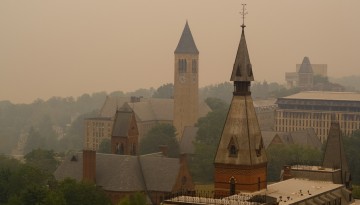
Smoke particulates from wildfires could lead to between 4,000 and 9,000 premature deaths and cost $36 to $82 billion per year in the U.S., according to research by Cornell and a university in China.
A new study investigated whether the structure of the 340B Drug Pricing Program inhibits the use of biosimilar medications, which are medically equivalent but not identical to original biologic drugs due to production differences.
Cornell is one of four higher-education institutions in a new $12 million partnership with Google aimed at establishing New York City as the world leader in cybersecurity.
Shawon Debnath, a research associate in pathology and laboratory medicine at Weill Cornell Medicine, has been honored with a 2023 Tri-Institutional Breakout Award for Junior Investigators.