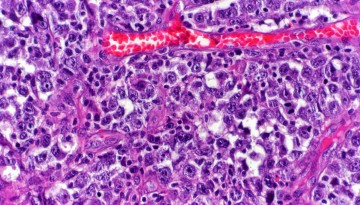
The presence of some fungal species in tumors predicts – and may even help drive – worse cancer outcomes, according to a study from Weill Cornell Medicine and Duke University researchers.
By analyzing key enzymes in a new way, an international team led by researchers at Weill Cornell Medicine has discovered how a well-known signaling molecule can either stimulate or suppress tumor growth depending on where it’s produced.
An advanced software tool for analyzing DNA sequences from tumor samples has uncovered likely new cancer-driving genes, in a study led by Weill Cornell Medicine researchers.
A cellular process known as autophagy that helps rid cells of debris may be impaired in pregnant women who go on to develop postpartum depression, according to new research from Weill Cornell Medicine.
The 14th episode of a podcast hosted by Entrepreneurship at Cornell, Startup Cornell, features David Stein MBA ‘20, co-founder and CEO of Ash Wellness.
The blood stem cell mutation, known as DNMT3A R882, leads to the growth of a large population of circulating blood cells that also contain this mutation.