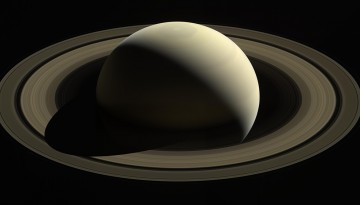
Instead of uncovering scientific answers, the spectral images from a Cassini flyby of Saturn’s rings triggered more questions than answers, says new research published June 13 in Science.
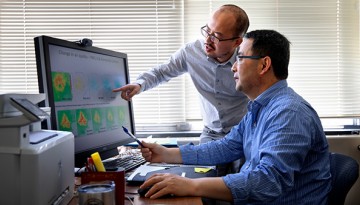
A hybrid system using geothermal energy for both heating and electricity could reduce campus greenhouse emissions around 25% more than using it just for heating, potentially bringing Cornell close to its goal of carbon neutrality, according to new research.
Just 10 taxis equipped with mobile sensors can survey a third of Manhattan’s streets in a day, inexpensively gathering valuable data about factors such as air quality, street conditions and bridge stability to provide an accurate and timely snapshot of a city’s health, according to a new study including a Cornell researcher.
Cornell researchers express hope for the future of Houston’s breathable air: By replacing at least 35% of the city’s gasoline cars and diesel trucks with electric vehicles by 2040, Houstonians could breathe easier.
Four new faculty projects have been selected to receive funding for collaborative, cross-disciplinary opportunities for learning and research in New York City.
Friends and colleagues gathered June 1 to honor engineering professor and nanofabrication pioneer Harold Craighead, who will become an emeritus professor on July 1.
Eighteen Cornell doctoral students from 13 fields of study have received 2019-20 Engaged Graduate Student Grants to support community-engaged research relevant to their dissertations.
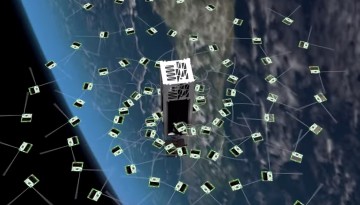
Demonstrating a new type of space technology, 105 of the world’s smallest free-flying satellites have just completed orbiting Earth, sending short signals received by a ground station at Cornell.