Tom E. Davis, professor emeritus of economics in the College of Arts and Sciences who was an expert on economic development in Latin America, died Oct. 27 in Ithaca. He was 93.
A Cornell-led collaboration used machine learning to pinpoint the most accurate means, and timelines, for anticipating the advancement of Alzheimer’s disease.
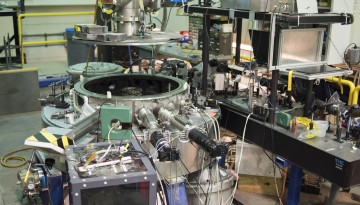
For nearly six decades, Cornell’s Laboratory of Plasma Studies has remained at the forefront of plasma science – a tradition its incoming director, Gennady Shvets, professor of applied and engineering physics, plans to continue while also broadening the lab’s research capabilities.
Three startups – two helping to make a green economy and one creating next-generation microbial images – graduated Nov. 16 from Cornell’s Center for Life Science Ventures business incubator.
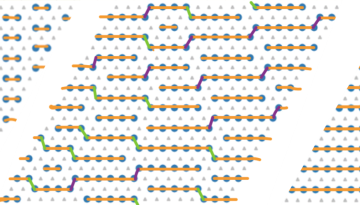
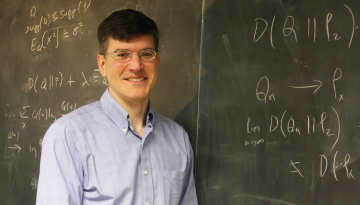
Professor Aaron Wagner and his former students were recognized with the 2022 IEEE Information Theory Society Paper Award for their research employing feedback to improve coding performance.
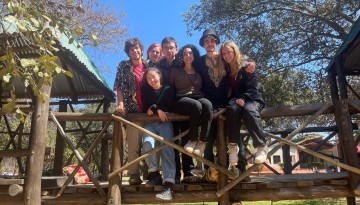
The FIFA World Cup begins Nov. 20 in Qatar, and Cornell Engineering is partnering with the Afghan Dreamers all-girls robotics team in an effort to harness this energy – and inspire young people to dream big, in both soccer and STEM learning.
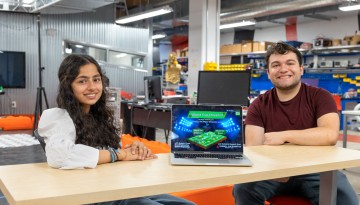
Four undergraduate teams with business ideas won this year’s Big Ideas Competition, sponsored by Blackstone LaunchPad, Startup Tree and Entrepreneurship at Cornell.