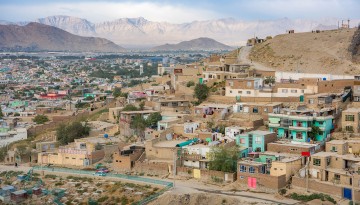
As the U.S. withdrawal from Afghanistan unfolded, two events kept pace brought Afghan and congressional national security experts to the campus conversation.
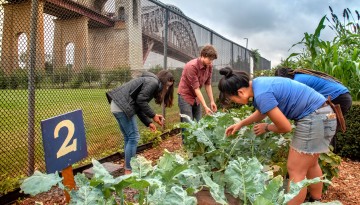
Cornell Cooperative Extension supports residents of every borough in New York City, thanks to its long-standing community relationships and faculty research and expertise.
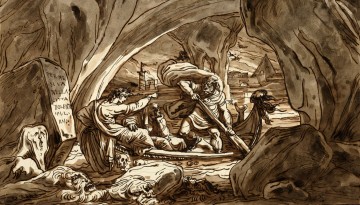
The new show celebrates the enduring legacy of the Italian poet and showcases Cornell’s Fiske Dante Collection, one of the most significant collections of its kind in the U.S.
New York City’s app-based delivery workers regularly face nonpayment or underpayment, unsanitary or unsafe working conditions and the risk of violence, according to a new ILR School report.
A $3.5 million renovation of Jordan Hall on the Cornell AgriTech campus will enable more distance-learning opportunities for entrepreneurs and workers in New York state’s food and farm economy.
Cornell researchers and students are poised to help shed light on the history of St. James A.M.E. Zion Church, the world’s oldest active A.M.E. Zion Church.
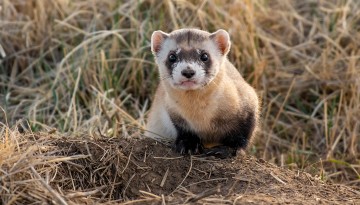
By testing easier-to-study coyotes, researchers from the Cornell Wildlife Health Lab at the College of Veterinary Medicine, in collaboration with the Cheyenne River Sioux tribe, have identified a range of lethal diseases threatening black-footed ferrets – one of the most endangered animals in North America.
The Technology and Law Colloquium – a hybrid Cornell University course and public lecture series – returns this semester with talks from 13 leading scholars who study the legal and ethical questions surrounding technology’s impact in areas like privacy, sex and gender, data collection, and policing.
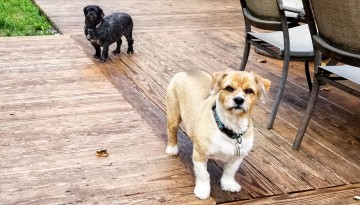
The neurology service at the Cornell University Hospital for Animals helped Tanner and Gidgie, dogs from the same family that both suffered from painful spinal issues.