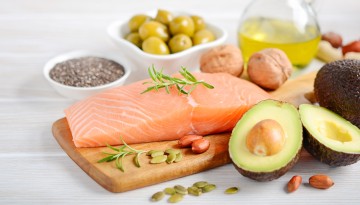
A Cornell-led study provides the strongest evidence yet that omega-3 fatty acids, which are abundant in fish and fish oil supplements, may be important for lung health.
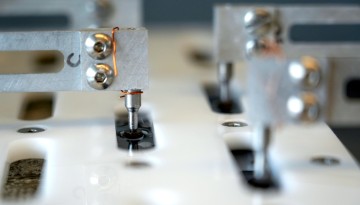
An interdisciplinary research team received a five-year, $2 million grant from the National Science Foundation to develop a new generation of biosynthetic lubricants that have the potential to treat arthritis and reduce the painful friction of artificial joints.
Using an innovative method for measuring doctor turnover, Weill Cornell Medicine researchers determined that between 2010 and 2018, the annual rate at which physicians left their practices increased by 43%, from 5.3% to 7.6% a year.
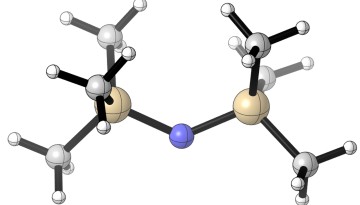
Cornell researchers attached large fragments to temperamental "radical" molecules, increasing their girth to insulate them from their hyperreactive partners – a method that could help create improved derivatives of pharmaceutical compounds.
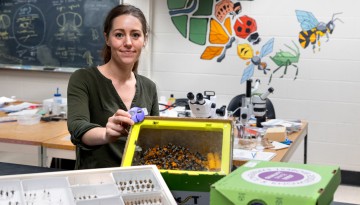
A Cornell study that revealed commercial eastern common bumblebee hives pose a threat to their wild counterparts has led one major pollination company to quickly adapt the bumblebee hive boxes they ship to growers.
In a new book, landscape architect Martin Hogue investigates the history and evolution of recreational camping through the lens of its most important and familiar components.
Thomas Feng, a doctoral student in performance practice, is identifying and cataloging the piano music of the late Emahoy Tsege-Mariam Gebru, a composer with a cult following.
Unused solar, wind and hydroelectric power in the U.S. could support the exponential growth of transactions involving non-fungible tokens, Cornell Engineering researchers have found.