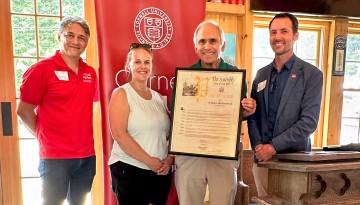
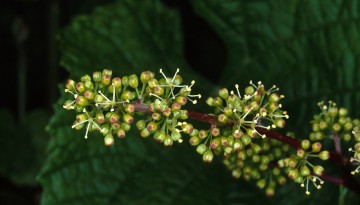
Local farmers and growers, Cornell officials and others observed the 100th anniversary of the Hudson Valley Research Laboratory, part of Cornell AgriTech, in a celebratory event Aug. 18 in Highland, New York.
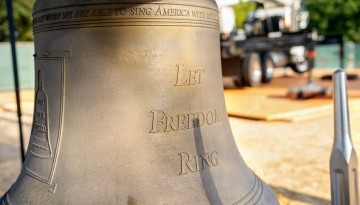
An interactive bell tower designed by Paul Ramírez Jonas is one of six artworks featured in “Beyond Granite: Pulling Together,” which aims to create a more inclusive commemorative landscape on the mall.
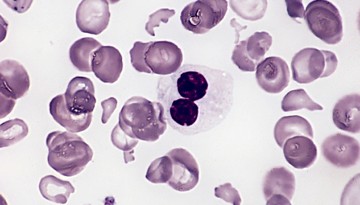
A technique that enables scientists to record gene mutations and patterns of gene activity in individual cells has been extended to cover RNA splicing as well, in a study co-led by researchers at Weill Cornell Medicine.
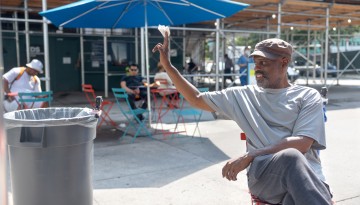
Cornell Tech researchers deployed “trashbots” in Brooklyn for two weeks in July. The goal of the experiment was to see how people interact with, and make sense of, service robots in public spaces. The cleaning was an added bonus.
Deborah Fowell, professor and chair of the Department of Microbiology and Immunology in the College of Veterinary Medicine, has received a five-year, $2.32 million MERIT award from the NIH to study the factors that help guide immune cells.
A new gene-editing tool created by Weill Cornell Medicine investigators will enable cancer researchers to study the impact of specific genetic changes in preclinical models.
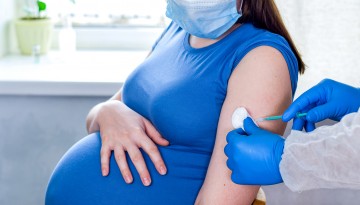
Pregnant women who had a previous COVID-19 infection and received full vaccination and a booster have the strongest immune protection from the disease – and pass that protection along to their unborn babies, according to a new study.
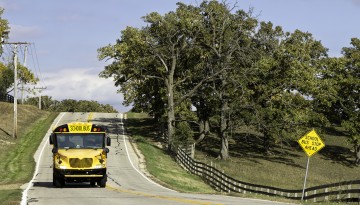
In a rural part of upstate New York, students with access to school-based health centers received more medical care and missed less school, Cornell researchers found.