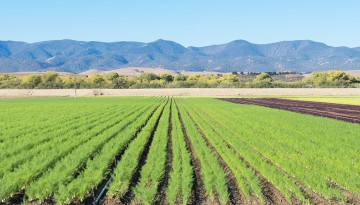
Farmers can get a significant payoff, especially when crop prices are high, by coordinating their water use with other farmers, according to new Cornell research.
On secondhand marketplaces like eBay, people trust online sellers who post their own high-quality photos of items for sale more than they trust those who use stock images or poor-quality photos, a Cornell Tech study has found.
Cornell Tech researchers developed a tool that causes smartphones to vibrate when users exceed time limits on certain apps, reducing usage of the apps by 20 percent and helping people tackle digital addiction.
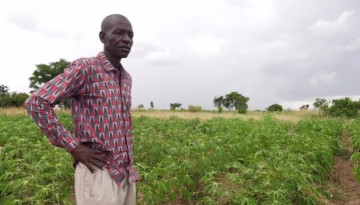
The viruses ravaging cassava farms in Africa, and efforts to combat them through plant breeding, are the subject of a new Cornell University documentary film produced by International Programs in the College of Agriculture and Life Sciences.
Cornell University researchers will collaborate on a new, five-year United States Agency for International Development flagship multi-sectoral project to combat malnutrition.
Sabrina Karim, assistant professor of government, has been awarded a grant to assess the barriers affecting women’s participation in military and police forces involved in peacekeeping missions.
A slight modification to an existing RNA sequencing technique, developed in the lab of assistant professor Iwijn De Vlaminck, will allow a greater variety of molecules to be analyzed.
A new Cornell-led study shows that Midwest agriculture is increasingly vulnerable to climate change because of the region’s reliance on growing rain-fed crops.
Atkinson Center for a Sustainable Future faculty director and water policy expert Catherine Kling talked about water pollution Dec. 4 in Washington, D.C.