The Atkinson Center is partnering with The Nature Conservancy on three funded research projects, related to climate change, renewable energy and wildlife management.
Big data, machine learning and digital surveillance have the potential to create racial and social inequalities – and make existing discrimination even worse, according to a team of Cornell scientists addressing the problem.
The Mars rover Opportunity, NASA’s robotic geologist fitted with an array of tools to search for evidence of water, ended its mission Feb. 13 – three weeks after its 15th anniversary and long past its 90-day warranty.
The outlook for New York state’s farm economy is steady, with farm incomes likely to remain relatively low for a second straight year, according to Jennifer Ifft, assistant professor of applied economics and management.
Research on blood flow in the brain, from the lab of Chris Schaffer and Nozomi Nishimura, could help inform better therapies for people with dementia, including Alzheimer's disease.
Building on Cornell’s decades of fundamental and comparative research in the immunological sciences, Provost Michael Kotlikoff has announced the creation of a new Cornell Center for Immunology.
Cornell is a partner in the new Harvard-based National Center for Rural Education Research Networks, which will support a network of 60 rural school districts in New York and Ohio.
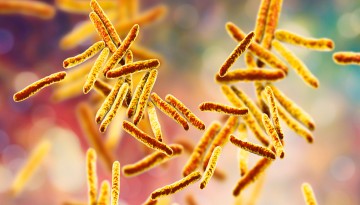
An investigation by Weill Cornell Medicine scientists has yielded two breakthroughs in the pursuit of combating growing resistance to tuberculosis treatments.