A collaboration between Cornell and r4 Technologies will develop and apply artificial intelligence solutions to structural challenges that have hindered growth and modernization, and will train a new generation of students to thrive in a data-driven world.
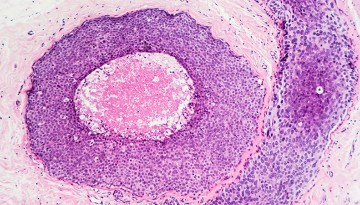
Postmenopausal women with higher levels of body fat have a significantly increased risk of developing breast cancer even if they have a normal body mass index, according to a new study.
New research by an international team raises questions about the timing and nature of early interactions between indigenous peoples and Europeans in North America.
The Partnership for the Public Good, founded in Buffalo in 2007 by the ILR School, is working with local groups to make the city a model of urban regeneration and create policies advancing equity and sustainability.
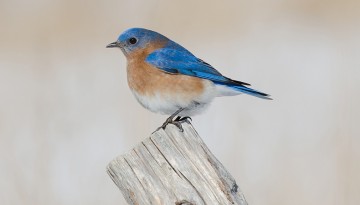
A new series of dynamic bird maps from the Cornell Lab of Ornithology reveals unprecedented details not only about where the birds are, but how their numbers and habitats change through the seasons and years.
A new book, “The Economics of Poverty Traps,” co-edited by Cornell agricultural and development economist Chris Barrett, highlights cutting-edge research on the mechanisms that keep people entrenched in poverty.