The Mario Einaudi Center for International Studies awarded grants to faculty to support new collaborative research on international topics and fund workshops or other activities.
Robots that sense and adjust their position relative to their surroundings is the subject of the latest work from Rob Shepherd, associate professor of mechanical and aerospace engineering.
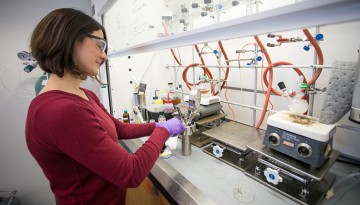
The U.S. Department of Energy has granted $1.7 million to Cornell startup Ecolectro so the company can produce hydrogen fuel more easily and inexpensively.
Cigarette ads with graphic warning labels – with images such as cancerous gums and lips – cancel out the effect of ads that prompt children to think of smoking as cool and fun, according to a new Cornell study.
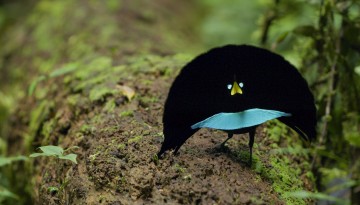
New research suggests for the first time that everything in those male birds-of-paradise theatrical breeding displays is driven by one thing: the female.
The Office of the Provost has announced five winners of the inaugural Provost Research Excellence Awards, which recognize leadership and innovation in scholarly research.
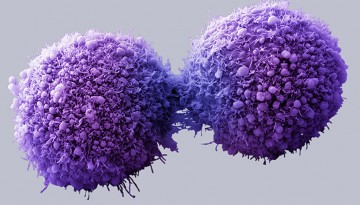
A study of the dual pathways that process the essential vitamin folate unexpectedly revealed a new way the cancer drug methotrexate works and may suggest strategies to boost its cancer-killing effects.
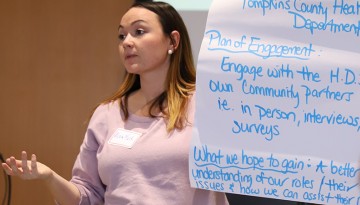
The inaugural Engaged Graduate Student Institute brought students across campus together Nov. 9 to learn how to conduct research while making a positive impact on the community.
Weill Cornell Medicine has been awarded a five-year, $9 million Program Project Grant from the National Cancer Institute to study an aggressive and incurable form of lymphoma.