A deeper understanding of the brain’s connectivity network of neurons and its relationship to the organ’s deep tissue could allow recognition of what processes relate to neurological disorders.
A material strong enough to protect the intestines from a needle puncture and bendable enough to insert through a laparotomy incision that quickly dissolves in the body is being studied.
An enzyme implicated in autoimmune diseases and viral infections also regulates radiation therapy's ability to trigger an immune response against cancer, Weill Cornell Medicine scientists found in a new study.
The first-ever 'disease in a Petri dish' platform that models human colon cancer derived from stem cells has been developed by Weill Cornell Medicine investigators, allowing them to identify a targeted drug treatment for a common, inherited form of the disease.
A calcium-dependent molecular mechanism discovered in the brain cells of mice by Weill Cornell Medicine investigators may underlie the impaired social interactions and anxiety found in neuropsychiatric disorders – including schizophrenia and autism.
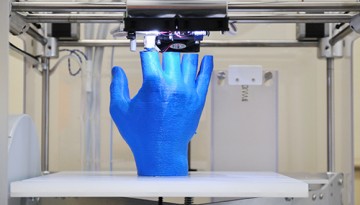
The Clinical and Translational Science Center, in collaboration with the medical student group Tech-in-Medicine, hosted its first hackathon, the 3-D Printing Innovation Challenge, over the course of several days in May.
The Atkinson Center for a Sustainable Future's Academic Venture Fund awarded $1.8 million in 2017, with 15 grants to seed novel approaches to some of the world's greatest sustainability challenges.
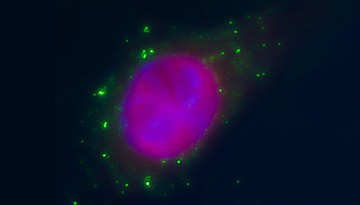
New imaging methods that allow researchers to track the individual protein molecules on the surface of cells offer unprecedented insight into how cells sense and respond to their environments.
Vibrant red and white bouquets lined the Perelman Stage at Carnegie Hall as degrees were conferred on 275 students graduating from Weill Cornell Medicine June 1.