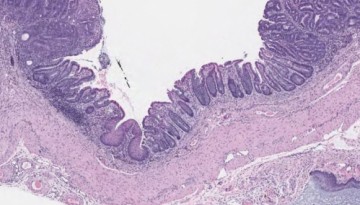
Weill Cornell Medicine and Memorial Sloan Kettering Cancer Center researchers have developed a preclinical model of colorectal cancer in which the disease forms in the correct anatomical location.
Dr. Arjun Srinivasan of the CDC delivered the keynote lecture at the symposium, "Antimicrobial Resistance: Research Synergies in Human and Animal Medicine," on Cornell's Ithaca campus May 4.
Yimon Aye, assistant professor of chemistry and chemical biology, has won the Pershing Square Sohn Prize for Young Investigators in Cancer Research. The prize is $600,000 over three years.
Biotia, a startup offering microbial surveillance for hospitals, is a joint venture between researchers at Weill Cornell Medicine and Cornell Tech, founded through the Runway Startup program at the Jacobs Technion-Cornell Institute at Cornell Tech.
A $5 million gift establishes a new initiative that will use predictive tools to enhance Weill Cornell Medicine's capability to diagnose and treat a variety of illnesses to improve outcomes for patients.
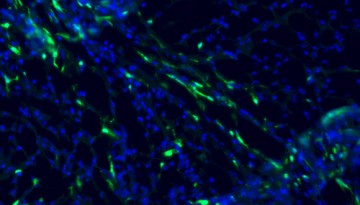
Two studies from Weill Cornell Medicine found brain tumors recruit immune cells derived from bone marrow to transform what began as benign masses into deadly malignancies.
Kidney ultrasound plus a visual examination of the bladder and urethra appears to be the most cost-effective way to screen for cancers of the genitourinary tract of those with blood in their urine.
Educating religious leaders in sub-Saharan Africa about male circumcision increases the likelihood that men will undergo the procedure, Weill Cornell Medicine investigators found in a new trial.