Through research, coursework, fellowships, leadership initiatives, business incubators, community outreach, business plan competitions and more, an evolving entrepreneurial ecosystem has emerged at Cornell.
Takao Hensch, professor of neurology at Harvard Medical School's Boston Children's Hospital, has won the Mortimer D. Sackler, MD Prize for Distinguished Achievement in Developmental Psychobiology.
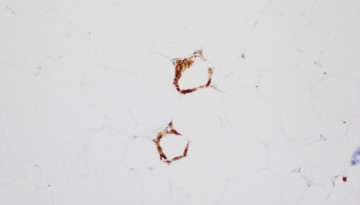
Women with a healthy body mass index may be at risk of breast cancer because of enlarged fat cells in their breast tissue that trigger an inflammatory process, Weill Cornell Medicine research finds.
Dr. Joshua Milner, an allergist and immunologist who has made key discoveries into the origin of previously unidentified disorders that affect children, has been awarded the Drukier Prize.
Weill Cornell Medicine researchers find that brain stents successfully treat symptoms of Idiopathic intracranial hypertension such as head pressure and vision loss.
Combining genetic information from tumor cells with 3-D cell cultures grown from these tumors, and rapidly screening approved drugs, can identify the best treatment approaches in patients.
Weill Cornell Medicine celebrated one of its best Match Days ever March 17, with 100 percent of the graduating medical students matching to residency positions - the next three to seven years of their medical careers.
One out of every four children admitted to intensive care units for critical illness develops delirium, according to an international study led by Weill Cornell Medicine investigators.