Cornell Tech has fostered community connections through partnerships with Roosevelt Island residents, the City University of New York, and local schools in New York City and Ithaca in advance of the dedication of the Roosevelt Island campus Sept. 13.
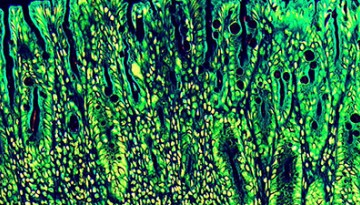
Nerve cells in the gut play a crucial role in the body’s ability to marshal an immune response to infection, according to a new study from Weill Cornell Medicine scientists.
Weill Cornell Medicine investigators have found that annual mammograms for women beginning at age 40 prevent the greatest number of breast cancer deaths.
Weill Cornell Medical College's Class of 2021 as received their short white coats during the institution's annual White Coat Ceremony Aug. 15. officially marking the beginning of their medical education.
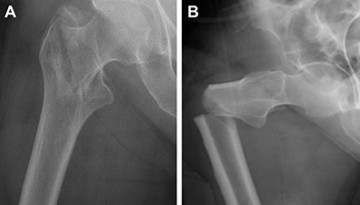
A research team led by Eve Donnelly, assistant professor in materials science and engineering, has published a study regarding a dangerous side effect of long-term use of bisphosphonates to treat osteoporosis.
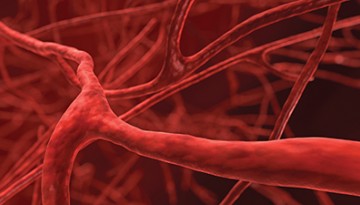
A protein found in the cells lining blood vessels plays a central role in preventing fluid and inflammatory cells from leaking into lung tissue, Weill Cornell Medicine researchers discovered.
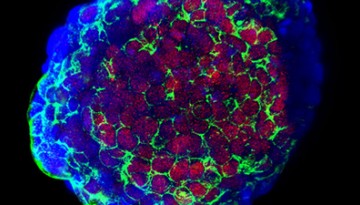
Genetic mutations caused by rearranged chromosomes drive the development and growth of certain colorectal cancers, according to new research conducted by Weill Cornell Medicine investigators.
By studying the effects of immune cells that surround blood vessels in the brain, Weill Cornell Medicine researchers have discovered a new pathway that may contribute to Alzheimer’s disease.