A Weill Cornell Medicine research team will receive $1.3 million over five years to address socioeconomic and racial disparities and increase access to clinical trials for underserved patients with blood cancers living in Brooklyn and Queens.
Weill Cornell Medicine researchers say the study’s findings suggest patients with brain bleeds should be screened more aggressively for problems related to clotting disorders.
Maureen Hanson, professor of molecular biology and genetics, and Bernice Grafstein, professor of neuroscience at Weill Cornell Medicine, have been elected to the American Academy of Arts and Sciences.
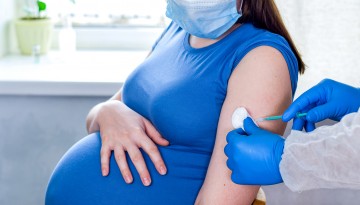
Women who receive COVID-19 mRNA vaccines produced by Pfizer-BioNTech or Moderna while in their third trimester of pregnancy generate a strong immune response and pass protective antibodies to their babies.
In the study, researchers at Weill Cornell Medicine and their colleagues also identified new potential treatments for COVID-19 patients and described a model for drug screening.
Diversity leaders at Weill Cornell Medicine have launched ambitious community vaccination and education efforts, with the goal of improving uptake and helping those who are reluctant to get the vaccine.
The center’s latest offering is a two-week online course, developed with eCornell, that provides strategies practitioners can use when caring for their patients remotely.
In a “Racism in America” webinar, four Cornell faculty members elaborated on ways the COVID-19 pandemic has shown race-based discrepancies in health care and health outcomes.
A multidisciplinary team co-led by Weill Cornell Medicine researchers has expanded the repertoire of tools for the public health community to understand SARS-CoV-2 infection.