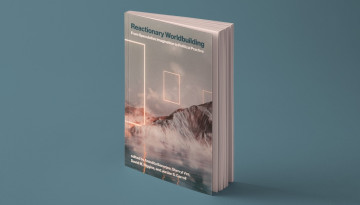
“Reactionary Worldbuilding,” a book co-edited by comparative literature scholar Anindita Banerjee, explores how speculative fiction and worldbuilding have influenced extremist ideologies and political movements.
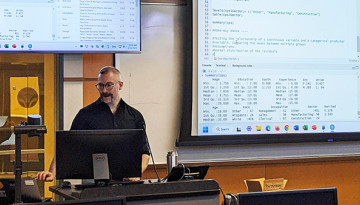
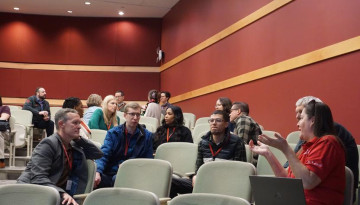
CSCU will host “Ask the Statisticians: AI in Scientific Research,” a free virtual session to discuss how Cornell researchers are integrating AI into their statistical workflows.
Metabotropic glutamate receptors interact in varied ways with their principal regulatory proteins, according to Weill Cornell Medicine investigators. The findings could inform treatments for epilepsy, depression and anxiety disorders.
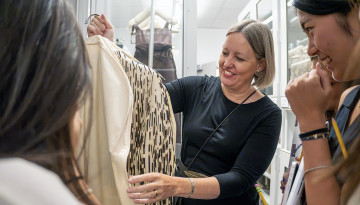
For the first time in over a decade, garments from Ralph Rucci’s haute couture and made-to-order collections have been brought together under one roof as part of the Cornell Fashion + Textile Collection, in the College of Human Ecology.
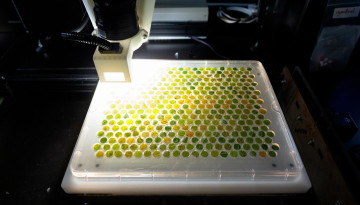
The cutting-edge imaging platform observes microscopic traits in plants and can detect grape diseases that cost vineyard owners billions in annual losses globally.
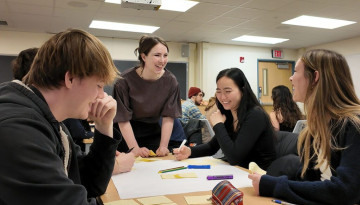
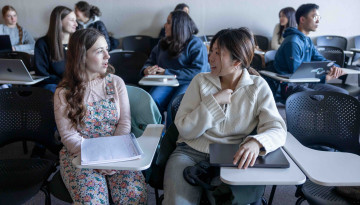
An innovative major in the College of Arts & Sciences is being expanded and refined to highlight its combination of science, social science and the humanities and its relevance to careers today.
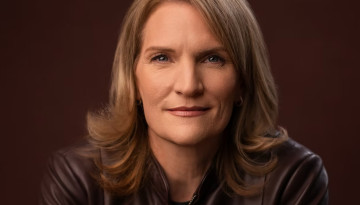
A $1.49 million award from the John Templeton Foundation will enable Cornell researchers Gordon Pennycook and David Rand ’04 to explore whether artificial intelligence can be used to understand and increase open-mindedness.