A world expert at using mechanical strain to precisely manipulate the properties of materials, Malinowski is particularly interested in superconductors.
Paul Lushenko and Sarah Kreps are experts in military drone policy. In a newly published article, they have reviewed the arguments about the impact drones have on combat. They find a middle ground between those who say drones represent an evolutionary step in warfare hardware and those who contend drones will revolutionize conflict.
Cornell Engineering faculty and alumni are reimagining design approaches to the materials that make up the world around us to mitigate unintended social and environmental consequences.
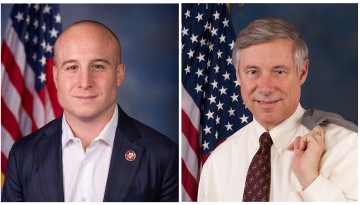
Former members of Congress Max Rose and Fred Upton will discuss steps for countering political extremism and restoring civil discourse. Rose, a Democrat from New York, and Upton, a Republican from Michigan, will speak Tuesday, March 21 at an on-campus event open to all.
On March 28, Andy Warner ’06, author of the memoir "Spring Rain" and several other books, will explore the power of graphic media to tell true stories.
Ph.D. students receiving Sage Fellowships will see their summer funding increase by an additional $500 above the published rate in summer 2023. The 7.9% increase in the summer Sage Fellowship stipend will impact 500 students.
With support from the Graduate School Office of Inclusion and Student Engagement, the Multicultural Academic Council (MAC) Peer Mentoring Program facilitates connections between early and advanced graduate students.
Victoria Bent MHA '23 is one of the organizers of the Women+ in Health Care Leadership Symposium. The event is sponsored by the Sloan Program in Health Administration in the Cornell Jeb E. Brooks School of Public Policy and it will focus on personal development skills.