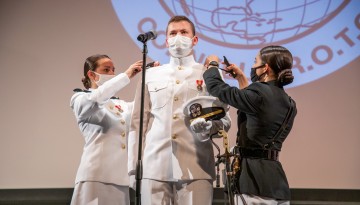
In a hybrid ceremony May 28 in Bailey Hall, 21 graduating members of Cornell’s Reserve Officers’ Training Corps received commissions as officers in the Army, Navy, Air Force and Marines.
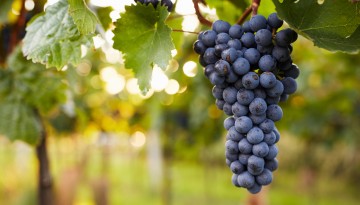
An anonymous gift will improve grapevine health, quality, yields and profitability in the New York state wine and grape industry through the creation of a graduate student research fellowship program.
The Cornell China Center has announced six new grant awards, totaling $140,000, to support research by Cornell faculty teams partnering with researchers in China.
In a virtual ceremony May 24, this year's 37 Merrill Presidential Scholars, who represent the top 1% of graduating seniors, recognized the high school teacher and university faculty or staff member who most influenced their academic development.
New funding from the U.S. Department of Agriculture’s National Institute of Food and Agriculture will help the Cornell Farmworker Program continue to reach more than 3,000 New York farmworkers with critical health and legal information.
When associate professor Steven Jackson’s six-year tenure as professor-dean of West Campus’ Keeton House ends this month, he will leave a different person from the one who moved in.
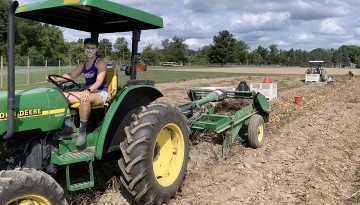
Research led by Jonathon Schuldt ’04, associate professor of communication, found that a majority of the U.S. public is supportive of soil carbon storage as a climate change mitigation strategy, particularly when it’s viewed as “natural.”