Virtual events and resources at Cornell include a panel discussion on protests and democracy, a series of staff forums, virtual tours of Cornell Botanic Gardens and the Fall Creek gorge, and a new online gallery of art students' senior thesis projects.
Cornell has earned a platinum sustainability rating – the top status – from an international group that tracks environmental stewardship for over 1,000 college campuses.
When embryos and fetuses undergo malnutrition, their developing nervous systems get preferential use of any available nutrients. Now, new research shows that a stressor gene called FoxO helps control the nervous system's growth.
For their work addressing causes and consequences of demographic change in rural America, a team of Cornell sociologists and other rural scholars have earned the Excellence in Multistate Research Award.
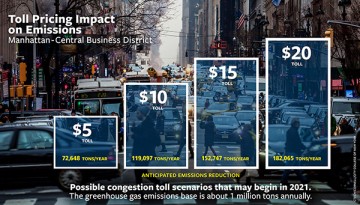
Cornell and the City College of New York research shows that by creating steep tolls for cars to enter Manhattan, traffic congestion and greenhouse gas emissions could be reduced.
Alan Sulpizio, a graduate student studying biochemistry and molecular and cellular biology, is the newest recipient of the Harry and Samuel Mann Outstanding Graduate Student Award.
New research that looked at the development of Arabidopsis flowers addressed the fundamental question of how two or more organs or plant parts grow to the same size and shape, which is essential for proper function.
New Cornell-led research shows that inadequate funding is the main barrier to better surveillance and control of ticks, including the blacklegged tick, which spreads Lyme disease, the No. 1 vector-borne illness in the country.
Through a partnership between the Cornell Atkinson Center for Sustainability and EDF, four Cornell faculty members have received new grants for regional sustainability projects with global implications.