Where once the Colorado River flowed with 5 trillion gallons of water into its verdant delta at the Gulf of California, that gush has trickled to zero. Cornell and Paleontological Research Institution researchers gathered baseline samples to understand the delta’s ecological profile.
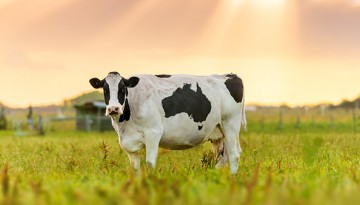
Cornell scientists have created the first vaccines that can prevent metritis, one of the most common cattle diseases. The infection not only harms animals and farmers’ profits but also drives more systemic antibiotic use on dairy farms than any other disease.
Forget the Florida foolishness. So long, sand and sun. Cornell students traveled the concrete world of Manhattan’s Upper West Side to spend their own spring break at the Goddard Riverside Community Center.
Unlocking ways to monitor a key nutrient, new Cornell research unveils a potentially sensitive method to test for zinc deficiency, a vital measurement that has posed problems for doctors and scientists.
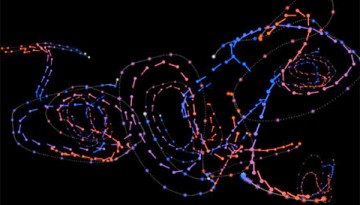
The tiger beetle, known for its speed and agility, does a stunningly optimal reorientation dance as it chases its prey at blinding speeds, Cornell mechanical engineers have observed.
For the third year in a row, the Charles H. Dyson School of Applied Economics and Management has been ranked No. 3 in the nation in Bloomberg Businessweek's 2014 Ranking of Best Undergraduate Business Schools.
In her new book Sara Pritchard, associate professor in the Department of Science and Technology Studies, looks at interdisciplinary collaboration on key questions.