Cornell and Sun World operate two of the world's leading fresh grape breeding programs. The venture aims to combine their research strengths to develop improved varieties for grape growers, both here and abroad. (Jan. 23, 2009)
Such activities as visiting museums and zoos and watching science documentaries significantly contribute to scientific literacy, according to a new report from the National Research Council. (Jan. 20, 2009)
Researchers have provided a new insight into how receptors on cell surfaces turn off signals from the cell's environment. The findings have implications for better understanding cancer, AIDS and other illnesses. (Jan. 16, 2009)
The professor of population genetics has been named the first Nancy and Peter Meinig Family Investigator in the Life Sciences. The award supports 'outstanding, innovative faculty life sciences research at Cornell.'
Over winter break, a Cornell team went to Botswana to help a fledgling natural-food products company that produces snacks from plants in the wild while benefiting local communities. (Jan. 14, 2009)
Cornell's undergraduate architecture program received top ranking - its fourth No. 1 ranking in five years - in the annual survey conducted by DesignIntelligence magazine. (Jan. 14, 2009)
In a study, when people at a buffet learned that the chicken being served might be tainted by bird flu, they ate less of it. But they ate even less when they were told that terrorism was behind the flu threat. (Jan. 14, 2009)
Recent graduates of Student Agencies eLab, the not-for-profit business accelerator for Cornell undergrads, has secured major funding, stemming from eLab's help. (Jan. 13, 2009)
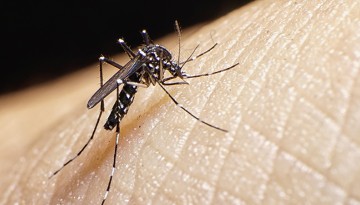
Cornell researchers report in Science that the mosquitoes that carry dengue and yellow fevers create harmonic love songs before mating. Disrupting the duets could lead to control measures. (Jan. 8, 2009)