Cornell scientists have replaced the harsh chemical processing of rare earth elements – used to power electric cars, wind turbines and smartphones – with a benign practice called biosorption.
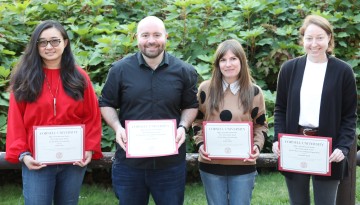
Six postdoctoral scholars were honored with Postdoc Achievement Awards as part of Cornell’s participation in National Postdoc Appreciation Week. The awards recognize excellence in community engagement, leadership and mentoring.
Twenty-eight student teams have been selected to participate in the 10th credit-bearing cohort of eLab, which accepts student founders from any field of study across Cornell and trains them to launch real businesses.
An American Heart Association Presidential Advisory, co-authored by Mario Herrero, professor in global development, calls for building on existing research and implementing cross-sector approaches to Food Is Medicine.
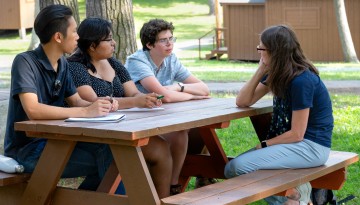
Through the Cornell Cooperative Extension Summer Internship Program, three urban and regional planning undergrads have created a land-use plan to help a 4-H camp develop an 85-acre tract near Canandaigua.
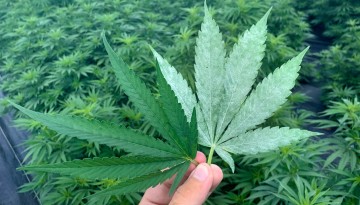
Researchers have discovered a gene in hemp that helps the plant resist powdery mildew, giving the fledgling hemp industry a new tool to combat the prevalent disease.
The work aims to understand how stem cells function to fuel normal tissue maintenance and to repair injuries in actively regenerative tissues, such as skin.
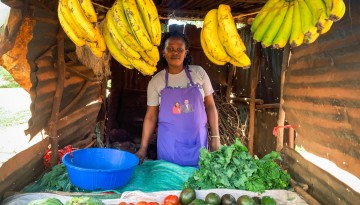
A new project seeks to develop methodologies to assess food environments in two Kenyan cities, understand the role of informal vendors and offer guidance on how to measure the rapidly changing food environments.