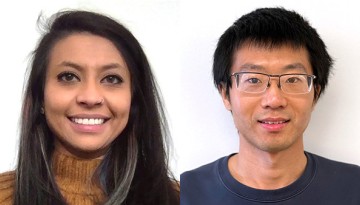
Yingzheng (Jason) Wang and Misha Kazi are the 2022 recipients of the Fleming Research Fellowships, which support young researchers who are doing cutting-edge work in basic biomedical sciences and are planning careers in biological or medical research.
Faculty from across Cornell and the world will gather for a “Global Grand Challenges Symposium: Frontiers and the Future” to discuss some of the world’s most urgent challenges and how collaborative research, teaching and engagement can help to meet them.
Fifty-five graduate students have been selected as new National Science Foundation Graduate Research Fellowship Program (NSF GRFP) fellows, joining Cornell's community of over 200 NSF GRFP fellows currently on campus.
In 2015, Nina Saeli attended a veterans-only event sponsored by the Cornell Small Farms Program (CFSP). It was the beginning of a journey of literal and personal growth.
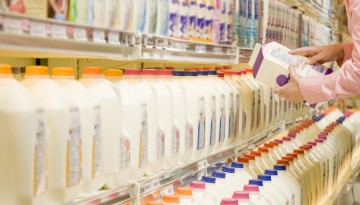
Consumers would be willing to buy milk from cows only treated with antibiotics when medically necessary – as long as the price isn’t much higher than conventional milk, according to researchers at the College of Veterinary Medicine.
The federally funded 2022 Collaborative Midterm Survey aims to provide the most comprehensive understanding of this year’s midterm elections on Nov. 8, while advancing the science of survey research.
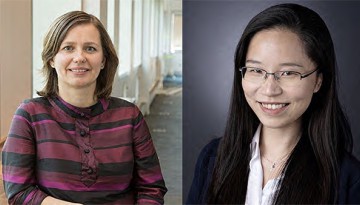
With funding from CALS and Cornell Bowers CIS, Natalie Bazarova and Qian Yang have founded the Digital and AI Literacy Initiative in an effort to equip underserved communities with the resources to use digital technologies safely and responsibly.