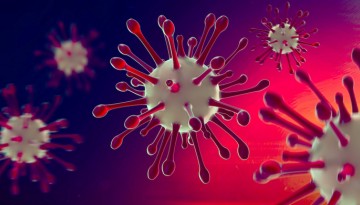
A highly innovative method using the latest technology opens myriad new avenues for research, for understanding the biology behind COVID-19, and for identifying new treatments that target protein binding sites.
President Martha E. Pollack announced the faculty members honored with the Stephen H. Weiss Awards, which recognize excellence in undergraduate teaching and mentoring.
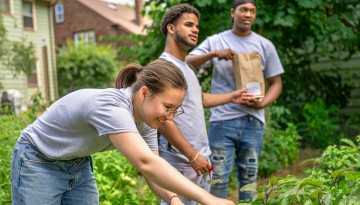
Cornell Cooperative Extension provided 29 students with summer internship opportunities across New York state, ranging from creating a commercial guide for growing pawpaw fruits to helping the impact of the spotted lanternfly in the Hudson Valley.
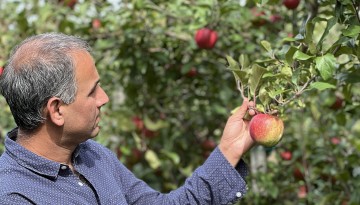
A team of researchers has sequenced the Honeycrisp apple genome, a boon for scientists and breeders working with this popular and economically important cultivar.
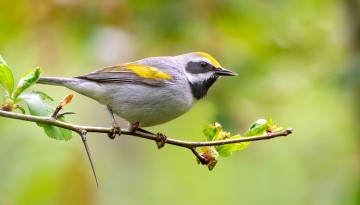
The 2022 State of the Birds Report reveals that birds are declining overall in every habitat, except wetlands – a finding that could provide a viable strategy for improving outcomes for all birds.
Geza Hrazdina, who advanced fundamental understanding about the compounds that give plants their color, flavor and protection against disease and pests, died June 2 in Geneva, New York.
The 10th recipient of the Hometown Alumni Award, Caroline Williams '01 has spent the last 15 years working to improve living conditions in Utica, New York, and her nearby hometown of Remsen.
Two Cornell graduates, CEOs of Praxis clients REEgen and Soctera, benefit from the vibrant innovation ecosystem at Cornell and Activate’s immersive fellowship program for science entrepreneurs.