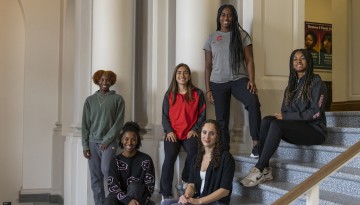
Female student athletes of color founded Women of Color Athletics to provide a community of women who understand the challenges they face and a channel to voice their concerns.
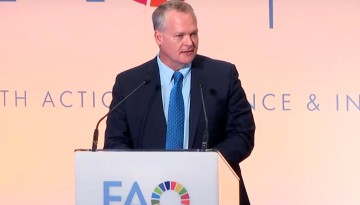
Ideas that sprang from a pre-pandemic panel discussion at Cornell now inform a United Nations initiative aimed to meet looming global food needs in a healthy, equitable and sustainable way.
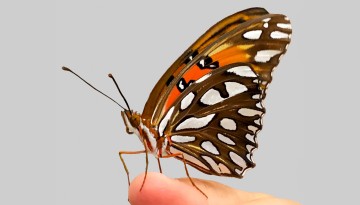
Butterfly wing patterns have a basic plan to them, which is manipulated by non-coding regulatory DNA to create the diversity of wings seen in different species, according to new research.
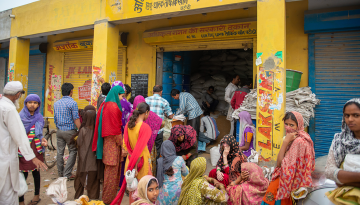
A new project from the Tata-Cornell Institute for Agriculture and Nutrition (TCI) aims to estimate the true cost of the PDS by accounting for hidden costs like the health and environmental impacts of the program.
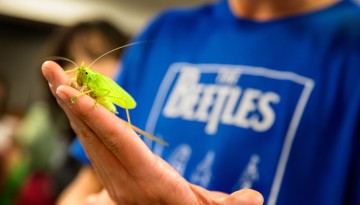
Cornell entomology students and faculty are pulling out all the stops for the 17th annual festival, which returns after pandemic-related cancellations the last two years.
Leroy Creasy ’60, M.S. ’61, whose research on the health benefits of grapes and red wine has spurred decades of public interest and scientific inquiry, died June 15 in Aurora, New York.
At 88 years old, professor Don Greenberg ’55 is still on the cutting edge: He’s launched a new undergraduate and graduate course for students in both architecture and computer science, “Design in the Age of Digital Twins.”
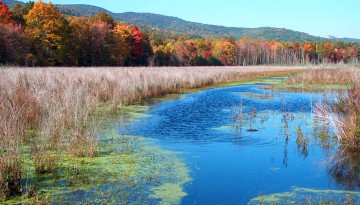
Through a long partnership between Cornell and the DEC, communities in the Hudson watershed have received training, tools and assistance to advance conservation land-use planning and policy.
More than a dozen students are taking part in the 2022 Cornell Biennial, which aims to serve as an anchor for the arts at Cornell and bring artists from around the world to campus.