In an adaptation to climate change, tree swallows have become smaller over the last three decades, an ongoing study based in Tompkins County has found.
A new outreach publication shares the stories of Black forestland owners in the Northeast to raise awareness of legacies of discrimination and recommend policies for expanding access for minority landowners.
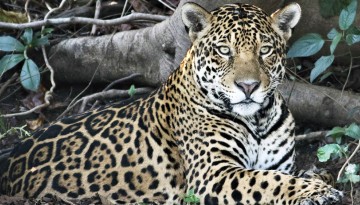
Alumni, staff and supporters of the Cornell Lab of Ornithology found an undocumented wild jaguar during a recent birdwatching trip to Brazil and gave her a special name.
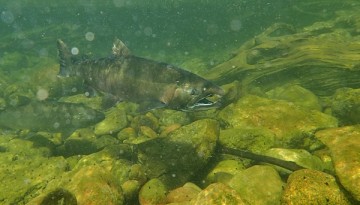
David Lodge, the Francis J. DiSalvo Director of Cornell Atkinson, urges federal agencies to expand adoption of environmental DNA technologies, which enable faster, cheaper, more accurate environmental reviews.
Halomine and Inso Biosciences – both from Cornell incubators – have received $3 million in New York state grants to help thwart disease outbreaks and expand the state’s life science industries.