On May 13, a panel of Ukrainian experts will converge at Cornell for a hybrid event to discuss the civil and economic upheaval in their country. The event “Ukraine: War, Economy, Path to Rebuilding” features a panel of Ukrainian government officials, academics and business experts with insights into the state of the economy and postwar plans.
A Cornell study found that still images of models in online retail ads had statistically lighter skin tones than those in videos of the same product and model. They also found evidence of “tokenism” – one model who was considerably darker-skinned than the others.
Cornell CALS Professor Scott J. Peters to lead participatory action research into issues of justice, sovereignty, equity and sustainability in food and farming systems at University of Minnesota.
An agricultural economist, a theoretical physicist, a plant biologist and a physiologist have each been elected to the National Academy of Sciences, the academy announced May 3.
Misperceptions of marginalized and disadvantaged communities’ level of concern regarding COVID-19 and other issues could undermine cooperation and trust needed to address collective problems, according to new Cornell-led research.
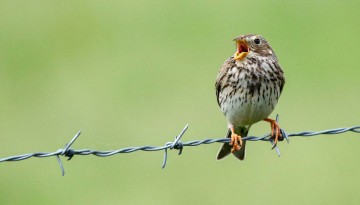
Loss and degradation of natural habitats and direct overexploitation of many species are cited as key threats to avian biodiversity, according to the new study “State of the World’s Birds.”
As water restrictions tighten in Southern California, the Southwest U.S. sees growing evidence of climate change and drought for millions of western residents, according to a Cornell drought expert.
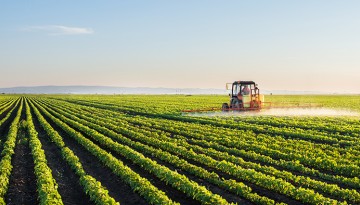
A new open-access book constitutes the most authoritative study on the future of local and global agri-food systems, exploring the challenges of today and envisioning potential food systems scenarios through 2070.
Clean energy entrepreneurs and startups find an innovative, powerful ecosystem at Cornell that supports the transition to a sustainable, decarbonized economy.