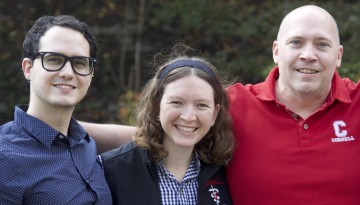
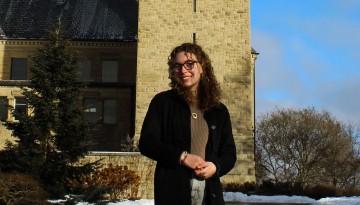
Biologist Alex Flecker and computer scientist Carla Gomes co-led a project that employed AI and around 40 researchers in an attempt to determine optimal placement of around 350 hydropower dams in the Amazon river basin.
Ariel Ortiz-Bobea says there is no greater threat to our food supply than climate change. He has been appointed to a USDA advisory panel where he will get to shape policy that leads to solutions.
Cornell researchers and a startup have received more than $7 million in federal grants to advance novel clean energy research that includes wirelessly charging electric vehicles, low-carbon jet fuel and construction materials made from waste.
The Cornell Center for Social Sciences grant program, which supports social science research by Cornell faculty members, has awarded $85,000 to 10 professors for their 2022-23 CCSS Faculty Fellows program.
Twenty-six students with businesses ranging from drinking water treatment to alternative medicine to kitchen robots, received fellowships to work on their businesses this summer.
New York growers will get a sustainable boost this planting season from the new Soil Health and Climate Resiliency Act – backed up by Cornell research – and signed into law by Gov. Kathy Hochul.
Though Glenn Morgan Parker '25 shared what it was like to take an online course as a Precollege student, thanks to the Atkinson scholarship, and how it helped prepare her for her first year at Cornell.
Jura Liaukonyte, associate professor at Dyson, and colleagues tracked ad viewership using tools that, instead of just monitoring the television, measured actual viewer presence in the room, and focal attention on the screen.